Central Missouri Foster Care & Adoption Association

Loved children live better

  • Donate
  • About
    • About CMFCAA
    • Meet Our Teams
    • Join our Mailing List
    • eMagazine
    • FY 2024 annual report
    • Blog
    • Privacy Policy & Terms of Use
  • Programs
    • Family Development Training
    • Family Advocacy
    • 30 Days to Family®
    • Extreme Family Finding™
    • Community Connections Youth Project (CCYP) ®
    • Kinship Navigators
    • Direct Services
    • Preservation & Prevention
    • Odyssey respite events
    • Respite Exchange
    • A Family For Me
    • Transportation
  • Partnership Resources
    • Special Request
    • IDENTOGO Fingerprinting
    • Camp Opportunities
    • Point View Resort
    • Helpful Links
  • Get Involved
    • Become a Foster Parent
    • Become a Respite Provider
    • Become a Volunteer
    • Become a Board Member
    • Give to CMFCAA
  • Event RSVP
    • Nov. 7 Howard County Lunch and Learn
    • Calendar
    • Odyssey Care Packs
    • Odyssey Events
  • CAREERS
  • Contact

Author: Ben Rieke

Remembering Your WHY

By Julie St. Yves

As a foster parent, it can be difficult to remember why you started fostering when your kiddos are testing your limits. For some of you, they’ve already blown right past them! Your focus shifts to just getting through the day, every single day. You’re tired, exhausted, burnt out. You may even think to yourself, “Why did I agree to this??” I’m here to remind you of your compassionate heart, your patience, and your desire to make a difference in these kids’ lives!

I did some research on foster parents who have shared their “why” so hopefully you can all relate to them in some way. One commonality I found is the acknowledgment of how difficult being a foster parent is. No one is saying this is the easiest thing they have ever done. In fact, they all said it is the hardest thing they have ever done. One person said they are both the child’s “punching bag and bean bag” meaning they take all the “punches” and “blows” while remaining the safe and comfortable welcoming space of a bean bag chair.

These roles allow you to give a child the space to heal. Many of these children have been abused and have experienced anxiety, detachment, and anger. You may have started this journey to make changes in a child’s life, but feel discouraged when you don’t see the impact you are making. I can promise you this – though you may not see the fruit of your labor right this second, you are definitely making an impact on their future.

Being a foster parent requires patience, compassion, and understanding. You are teaching a child what a loving family is! Showing this child (or children, in some cases) what healthy relationships are and how to treat others with kindness, love, and respect is changing the course of a generation. You have the opportunity to help the child(ren) in your care to break the cycle by guiding them to make positive life changes. You are the calm to the storm their life has been leading up to the point they were placed with you.

No child is born bad. Children who had to be removed from their homes have been born into bad circumstances. You are providing better circumstances for them to thrive in. Another foster parent shared that the love a foster parent has for their foster child is essential to the child’s health, well-being, and future. He stated that, “Without this type of love, a love that does not judge and is forgiving, a foster child will not form necessary and healthy attachment with others, resulting in a number of attachment disorders.” (DeGarmo, 2017) I encourage you to read his article, “How Foster Parenting Has Changed Me” among others, below. Dr. DeGarmo also shared his experience of watching his foster child smile and laugh for the first time since entering his home after a life of abuse and neglect. He stated that laughter was healing for everyone in his household.

Many foster parents have stated that since fostering, they have learned to love more and love deeper. Others have added on to that, saying fostering has taught them patience and new ways of parenting. You are making a difference in their lives, and they are also making a difference in yours! You are needed and you are valued! And, you are stepping up in a way many others are not! Thank you, from the bottom of my heart, for being a constant support in these kids’ lives. Thank you for working so hard to provide the best life for them to the best of your abilities. And, thank you for the sacrifices you have made for these kids. Thank you, thank you, thank you! You are a difference-maker!

Filed Under: Uncategorized

7 Ways CMFCAA’s Advocacy Team can help you  

As CMFCAA’s newest program, we understand that many still don’t quite know what we do. While our team could talk for hours about the way we’ve fought for children in our community, we wanted to offer a short list that we feel sums us up pretty well.   

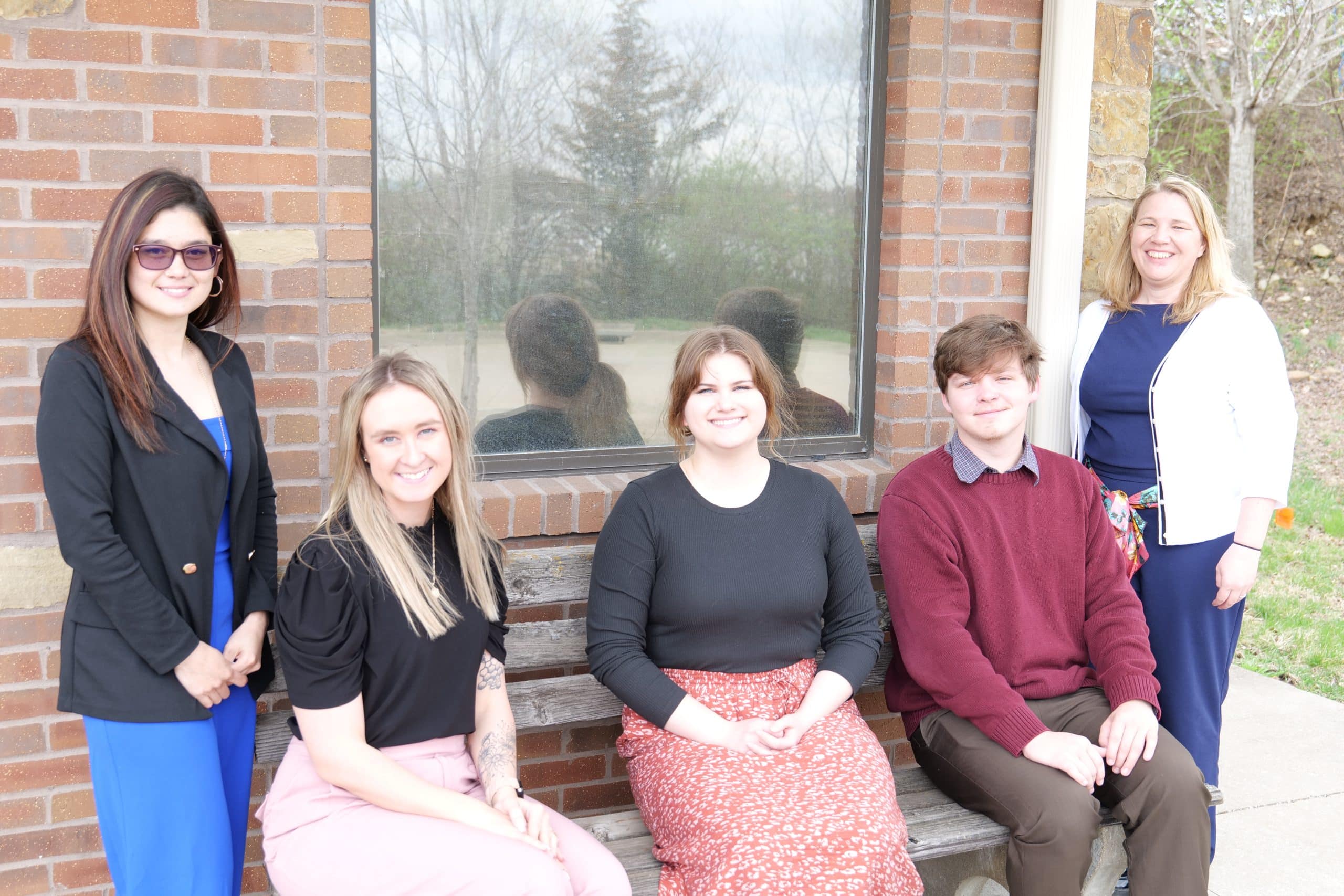
CMFCAA Advocacy Team

We will listen.   

We know it is hard, we know you are exhausted, and we know that many times, you feel completely alone. When it all gets too heavy to hold on your own, we are here for you.   

We can help find resources.  

Too busy to call around and find therapists that take SMHK insurance? Need some after-school activities or summer camps but have no idea where to look? Maybe you are looking for financial support for something specific. We will work to find any opportunities in your area that may be right for you.   

We can educate.   

Caring for a child with RAD for the first time? Confused about the process of acute care and bringing your child back home? Frustrated that the child’s case isn’t going how you expected? We can help provide information to get you through.   

We can empower.   

You are smart, brave, determined, and more capable than you know. Sometimes you just need that extra person in your ear to say, “You’re doing the best you can, and that is enough.”   

We can speak up.

No one is perfect and sometimes mistakes happen. Grace is incredibly important. But, we understand that sometimes things fall through the cracks and things don’t work out like you thought. Maybe you feel you aren’t being heard or you feel that your child’s well-being is not being advocated for. We can speak up and be a voice for the child.   

We can support.   

Sometimes you know exactly what you need to do or what you need to say, but you’re doubting yourself just a little or just want someone on “your side of the table.” No problem – we are here for you.   

We will connect.   

We host numerous support groups each month that you can sign up for and meet other caregivers in your area. It takes a village to raise children, and we want to ensure you feel a part of our village throughout Mid-MO.   

CMFCAA’s Advocacy Team

We understand that being a foster, adoptive, kinship, or guardianship caregiver can be so exciting and rewarding, and that it also comes with many questions and challenges. Our goal is to help walk your journey with you and help answer some of those questions you may have. We are here for you to be that extra support, to lift burdens, and to help you navigate it all. Being a caregiver is hard work. We want you to know that we see you and we are here for you. Visit our Advocacy page for more information about us.

Filed Under: Mental Health Corner

The uncomfortable “unknowns” of caregiving

Being a foster, adoptive, kinship, or guardianship caregiver means you are all too familiar with the uncomfortable feeling of the “unknowns” in parenting. Your life can change in an evening when you take on new kiddos. The plan for the case can change in an instant. And, waiting for a final adoption hearing can take what feels like decades. The caseworkers can’t ever give you a definite answer, mostly because they aren’t sure either and because nothing is ever promised. When you are a planner, or your kiddos are craving permanency, it can be so hard to be stuck in that “unknown” with them. 

Not knowing can be scary

As a person with anxiety, I am someone who loves being in control of the situations around me. I’m also one of those people who would totally read the book on what the rest of my life is going to look like if that was a thing. In other words, I understand how hard it can be to not know what is coming next. It can be nerve wracking to not have a plan or a black-and-white flow chart to follow with all possible outcomes already laid out. 

As a caregiver, there is so much that you cannot control. There are so many decisions that you might not even get to be a part of. The only thing promised is the moment you are currently in. Until you reach the end of a case, there is no certainty of what is going to happen. And, even then, reunification can mean coping with the joy but also the grief when kiddos are reunited with their birth parents. Or, adoption can mean the joy of kiddo being yours forever, but also seeing the hurt of them knowing they are never going “home.” 

A caregiver with questions

And, as the children grow and things change, what questions will they have about their birth family? What if they want to seek them out some day? Will they see all of the love and hard work and dedication we have given to them to help them be their best selves? Will the kiddos remember us after returning home to their mom and dad? How can I be sure that they continue to feel our love?  

All of your concerns and worries and fears are so incredibly valid. You wouldn’t worry about the future of the kids in your care if you didn’t truly and fully care for their wellbeing. Loving them is such an easy thing to do, but the idea of letting them go…incredibly hard, even if it is the best thing for them. Or, wanting to get your hopes up that they might be yours forever, but still having four months until the court date to determine if that is really the case.  

Coping with the “unknowns”

So, I want to share with you some things that you can do to help yourself while in this gray area, this teeter-totter of caregiving, and this big and scary “unknown.” 

Take a deep breath.

Like, right now. Stop what you are doing. Put both feet on the ground, unclench your jaw, and sit still. Breathe in through your nose and count 1…2…3…4. Hold it. Breathe out through your mouth like you’re blowing bubbles…1…2…3…4. Lower your shoulders just a bit. Repeat this a few times, then say to yourself, “I can do this.” Because you can, and you will.  

Step outside of yourself for a minute.

Think about the case. Think about the children. What is best for them? Remind yourself why you became a caregiver in the first place. Consider all of your kiddo’s hopes and dreams and how you can best support them. Look at the case from a different perspective, keeping the child in the center.  

Know that you are not alone.

Talk to someone. Find another caregiver to talk to. Likely, they’ve experienced similar feelings before. Join a Facebook group, hop on a Zoom call with us, or come to an in-person support group. Talk to another parent at a respite event, or maybe even a therapist. There is no shame in talking about your worries and fears for your kiddos. Holding it all in isn’t helpful. 

Smile. Big.

Say to yourself, “I am doing the best that I can, and that is enough.” Say it again if you have to.

CMFCAA’s Advocacy Team is here for you.

Again, we know that being a foster, adoptive, kinship, or guardianship caregiver can be so exciting and rewarding, and that it also comes with many questions and challenges. Our goal is to help walk your journey with you and help answer some of those questions you may have. We are here for you to be that extra support, to lift burdens, and to help you navigate it all. Being a caregiver is hard work. We want you to know that we see you and we are here for you. Visit our Advocacy page for more information about us.

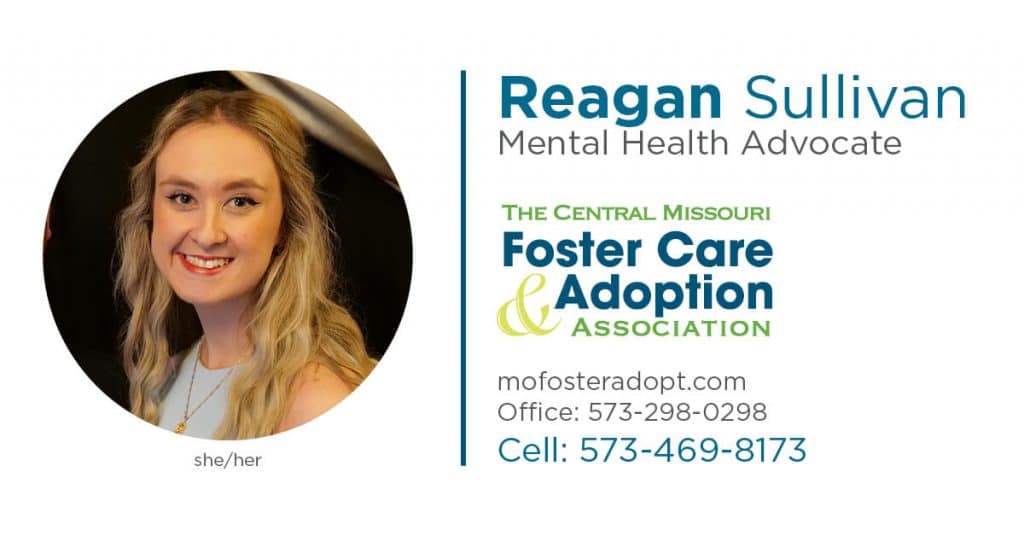
Reagan Sullivan, the Mental Health Advocate for CMFCAA's Advocacy program can help you figure out how to navigate your child's panic attack. Email her at reagan@mofosteradopt.com or 573.469.8173

**This is not to be considered professional advice. Please seek help with a professional licensed counselor or social worker to find what works best for you and your family.**

Filed Under: Mental Health Corner Tagged With: advocacy, Mental Health, support group

Radical Acceptance: C’est La Vie

C’est la vie is a French saying that means “That’s life.” It is a phrase of acceptance or tolerance for things being the way they are. In other words, radical acceptance.

Accepting this weather

Lately, this winter weather has been less than favorable. I mean, really – it has been rainy, cold, gloomy and grey, and the sun has been setting way before many of us are even home to enjoy the evening.

Now, we can look at this and say “I hate winter. It isn’t fair that I live in Missouri where the weather is everchanging.” “Why does it have to be winter?” or maybe “I refuse to accept this weather. In my head, I’m on a beach in Mexico getting tan.” But, what good is this thinking serving us? How is it helping us to deal with the winter weather?

What if, instead, we said, “It is cold outside, and that sucks.” Or “I don’t like this weather. I understand that it is just another season, it is necessary, and it will pass.” Here, we chose to accept that winter is a thing (a wild thing here in Missouri) and that we cannot do anything about it. We didn’t agree to like winter, but we fully acknowledged it for what it is.

You don’t have to like it.

I’m not saying that you have to like winter, go play in the snow, or give up your dream of being on a beach in Mexico sometime soon. I’m just asking you to consider accepting the weather for what it is. Winter is a season, a part of our environment and ecosystem, and there is absolutely nothing we can do about it.

We could keep fighting it or denying it or ignoring it, but what good is that? I don’t know about you, but I’d much rather say, “Yup, it is cold outside” and put on a coat to keep warm rather than refusing to accept the temperature and wearing shorts outside instead. Accepting the weather and preparing for it sounds much better than trying to force my idea of reality (such as dreaming of sunny and 75) onto something I cannot change.

Radical Acceptance: It’s a good thing

What I am getting at here is that there is this concept known as radical acceptance. It is a distress tolerance skill that is a part of DBT, or dialectical behavior therapy. It is meant to help people deal with intense emotions in a more productive, purposeful, and meaningful way.

Basically, what radical acceptance says is that we can work to totally and thoroughly accept the reality of life’s situations for what they are or what they mean (in a sense that we cannot control the world around us). Again, it isn’t to say that we have to like or approve of what is happening or has happened, but just that we are choosing to accept that it did happen or that life really is this way right now, and to not sit or get stuck in unhappy thoughts. That fighting the reality of a situation just takes up more energy, is exhausting, and doesn’t change what happened.

It means that we stay conscious of how we interpret information and that we don’t use up our energy on things we simply cannot control. Basically, that we start off with the thought of “It is what it is” or “c’est la vie.”

Accepting your reality

Once we can accept reality for what it is, we can truly start to work toward changing our lives for the better. Just like how we can look at the weather, accept that it is cold, and put on a coat, we can look at our mental health, for example, and say, “Yeah, I am struggling,” and then choose to get help. We can’t move forward in life if we are stuck in the anger, denial, and suffering. It allows us to shift our focus to the things we can control and make meaningful differences in our own lives.

We cannot change the past, and we cannot ignore it to make it go away. But we can choose to accept it, move forward with that information (maybe even take time to process it first), and have a new perspective toward the present and future. Practicing radical acceptance can help you to stop unhelpful thoughts and to free yourself of some of the awful feelings of “should’ve” “would’ve” “could’ve.”

I know this isn’t an easy concept to take on, but it is doable. With practice, intention, and mindfulness, we can work to reframe our thinking. And, start to move on without staying stuck in the intense emotions of things we cannot control. Life can be incredibly difficult sometimes. And, when bad things happen, those feelings are intense. I know. And I’m not saying to ignore or downplay your reality. I challenge you to accept it for what it is and utilize your energy in a way that helps you to move forward. You can do this. I believe in you.

CMFCAA’s Advocacy Team is here for you.

We know that sometimes things are too much to handle or just accept. Sometimes, no matter how much effort you put in, you need need some help. We are here for you to be that extra support, to lift burdens, and to help you navigate it all. Being a foster/adoptive/kinship caregiver is hard work. We want you to know that we see you and we are here for you. Visit our Advocacy page for more information about us.

Reagan Sullivan, the Mental Health Advocate for CMFCAA's Advocacy program can help you figure out how to navigate your child's panic attack. Email her at reagan@mofosteradopt.com or 573.469.8173

**This is not to be considered professional advice. Please seek help with a professional licensed counselor or social worker to find what works best for you and your family.**

Filed Under: Mental Health Corner Tagged With: Mental Health

Therapy is for everyone

I have to be honest with you all, I used to hate the idea of therapy. The idea of having to admit to someone else that I can’t do it all myself sounded AWFUL. The thought of digging up all of the emotions I had been working so hard to suppress or ignore seemed too difficult and truly like a terrible time. Plus, spending time and money on myself when there were plenty of other things to get done just felt selfish.  

And, my life has never been THAT bad. I didn’t think that my problems were ever “severe” enough to need therapy. Seeing a therapist, in my head, was reserved for those with serious mental illnesses, individuals with very traumatic experiences, or people trying not to go “crazy.” All I knew for sure was that it definitely wasn’t for me. Besides, those therapists didn’t have time for my silly little problems and what could they even offer me that I couldn’t do for myself?  

But, then I experienced therapy. I went because I realized that my issues were becoming too much to process on my own and knew it was time to seek help. But looking back, I wish I would’ve had the knowledge, confidence, and courage to seek help sooner. I realized that therapy truly is for everyone and that I didn’t have to have the world’s biggest problems to be worthy of going. Therapy was an incredibly empowering, validating, and educational experience. It was not belittling, it didn’t make me feel like “a crazy person,” and I didn’t feel weak. I actually finished therapy feeling quite the opposite.  

How does therapy actually feel? 

Talking to someone about my life challenges, no matter how big or small, allowed me the space to say what I was truly thinking without judgement or repercussion. Unlike talking to a family member or friend, a therapist will hear you out before they speak. They will let you sit in silence while you think through and explore your thoughts. Therapists don’t offer their opinion or tell you what you “should do”. 

Going to therapy also granted me the ability to get over some difficult events or thoughts, and I was able to better myself because of it. I took control of my life and my emotions and I actually felt stronger than I had ever felt before. I learned how to shake some things off, how to process what I couldn’t shake, and how to move forward from it without it weighing on me. My perspective on getting help for my mental health really started to change. 

Therapy used to seem like this big doomy thing that you only did once you had given up. And who wants to give up? Who wants to be seen as a quitter? But then after my first couple of sessions and feeling so incredibly validated and encouraged, I kind of stopped caring what society said, what the stigma might say, and what other people thought of me. Somehow, it was like I was finally able to focus on myself and my needs and truly put myself first. And, I had the permission to do so.  

What does therapy look like? 

When you go to therapy, you typically first start with an intake session. This is where the therapist works to gather information about you and context on your situation. Then, they create a game plan on how to move forward with a treatment plan and goals. It is a chance to establish a relationship before diving in. Then, you go back for another session and you get to say what you are comfortable opening up with. The therapist might guide you a bit by asking some questions about what you would like to talk about during the sessions or what you would like to gain from therapy. You get to choose and set the boundaries. And then, you talk.  

But, not talking like when you call your best friend on the phone and rant for an hour, or when your mom comes over and you sit on the couch and talk about the kids for a while. Talking with a therapist is a chance for self-reflection, an opportunity to reach your own conclusion. Therapy serves as a way to navigate your feelings and situations without worrying that what you say will hurt someone’s feelings or add further weight to them. And, to really get the most out of this, you have to be totally and completely honest with yourself. Like, more honest than you have ever been in your life. This alone can be incredibly difficult. 

Why would I actually go to therapy?  

Therapists are also totally outside of the situation, so they are able to see things in a different way than you can or do. This can help you to gain a different perspective and consider things you previously hadn’t. I’m not saying that the therapist knows better or that they are smarter than you, because they aren’t. No one knows you like you know you. A therapist is simply someone to help you navigate. Kind of like you have your own map, but the therapist knows how to translate it in a way you can better understand.  

Therapy can be a form of self-care. Again, it is a chance to just focus on you in an unbiased, safe setting. You can let out all of your worries, frustrations, and emotions without being guilted or shamed. Doesn’t that sound refreshing? 

A lightbulb laying sideways, but lit up. Going to therapy can help spark new ideas and turn on the "lightbulb" in your mind. It is okay to ask for help as a foster/adoptive/kinship caregiver.

You can learn skills that last a lifetime. Even going to just a couple of sessions can be enough to learn a new coping skill that you hadn’t ever considered, didn’t know how to use, or maybe you just weren’t sure how to implement into your own life.  

It can help your relationships. By spending time on yourself and working on growth and self-improvement, you create more space in your heart and mind to be there for those that matter most to you. Not to mention, by working to improve your own mood or reduce stress, it could spread the positivity and good vibes to those around you.  

CMFCAA’s Advocacy Team

Please remember, this is my own perspective. Unfortunately, not everyone has the same experience with therapy. Additionally, different techniques of therapy or styles used by therapists can make it feel less like a conversation.  If you have questions about what therapy could look like for you or your foster/adoptive/kinship kiddos, please reach out. We would love to talk with you more about what therapy can look like and how it can help you.

Reagan Sullivan, the Mental Health Advocate for CMFCAA's Advocacy program can help you figure out how to navigate your child's panic attack. Email her at reagan@mofosteradopt.com or 573.469.8173

**This is not to be considered professional advice. Please seek help with a professional licensed counselor or social worker to find what works best for you and your family.**

Filed Under: Mental Health Corner Tagged With: Mental Health

  • 1
  • 2
  • 3
  • Next Page »

Call:
573-298-0258


Locations:
Jefferson City
Columbia
Osage Beach
Rolla

  • About
    • About CMFCAA
    • Meet Our Teams
    • Join our Mailing List
    • eMagazine
    • FY 2024 annual report
    • Blog
    • Privacy Policy & Terms of Use
  • Programs
    • Family Development Training
    • Family Advocacy
    • 30 Days to Family®
    • Extreme Family Finding™
    • Community Connections Youth Project (CCYP) ®
    • Kinship Navigators
    • Direct Services
    • Preservation & Prevention
    • Odyssey respite events
    • Respite Exchange
    • A Family For Me
    • Transportation
  • Partnership Resources
    • Special Request
    • IDENTOGO Fingerprinting
    • Camp Opportunities
    • Point View Resort
    • Helpful Links
  • Get Involved
    • Become a Foster Parent
    • Become a Respite Provider
    • Become a Volunteer
    • Become a Board Member
    • Give to CMFCAA
  • Event RSVP
    • Nov. 7 Howard County Lunch and Learn
    • Calendar
    • Odyssey Care Packs
    • Odyssey Events
  • CAREERS
  • Contact

Copyright © 2025 The Central Missouri Foster Care & Adoption Association (CMFCAA) All Rights Reserved