Central Missouri Foster Care & Adoption Association

Loved children live better

  • Donate
  • About
    • About CMFCAA
    • Meet Our Teams
    • Join our Mailing List
    • eMagazine
    • FY 2025 annual report
    • Blog
    • Privacy Policy & Terms of Use
  • Programs
    • Family Development Training
    • IDENTOGO Fingerprinting
    • 30 Days to Family®
    • Extreme Family Finding™
    • A Family For Me
    • Family Advocacy
    • Kinship Navigators
    • Community Connections Youth Project (CCYP) ®
    • Preservation & Prevention
    • Direct Services
    • Trunk Clothing Closet
    • Odyssey respite events
    • Respite Exchange
    • Transportation
  • Partnership Resources
    • Special Request
    • Camp Opportunities
    • Point View Resort
    • Helpful Links
  • Get Involved
    • Become a Foster Parent
    • Become a Respite Provider
    • Become a Volunteer
    • Intern with us
    • Become a Board Member
    • Give to CMFCAA
  • Event RSVP
    • Calendar
    • Legacy of Love Gala 2026
    • Care Packs
    • Odyssey Events
  • CAREERS
  • Contact

Category: Mental Health Corner

Our Family Advocacy Program Is Here to Help You

You don’t have to figure it all out alone 

A school meeting leaves a caregiver with more questions than answers. An adoption is finalized, but the family still needs support. A utility bill adds another worry to an already difficult month. 

For families caring for children, knowing where to turn can make a difference. 

CMFCAA’s Family Advocacy team helps foster, adoptive and guardianship families navigate challenges, understand their options and connect with support. The work begins with listening to what a family needs and figuring out the next steps together. 

Help with the questions in front of you 

School concerns are among the most common reasons families reach out. 

Caregivers may be struggling to communicate with a school district or understand an individualized education program, commonly called an IEP, or a 504 plan. Advocates can attend those meetings, help families understand the process and communicate about a child’s needs. 

Other families need help finding resources or completing assistance applications. Advocates can help gather documents, navigate applications for energy assistance, food assistance or Medicaid, and connect families with CMFCAA’s Direct Services program. 

The support depends on the situation. It might mean contacting a caseworker to clarify a decision, helping a caregiver connect with an attorney or coordinating with other agencies already involved in a family’s life. 

“Sometimes, families don’t realize that we can be as involved as they want us to be,” said Advocacy team member Julie St. Yves. 

That involvement can include attending court hearings and Family Support Team meetings alongside caregivers. Advocates cannot speak on a family’s behalf in those settings, but they can help locate resources when asked by the judge or caseworker. 

Support does not end with adoption or guardianship 

Reaching permanency is a meaningful milestone. It does not mean every question has been answered or every challenge has passed. 

The Advocacy team hears from caregivers who feel alone after adoption or guardianship, when support they previously relied on may no longer seem available. 

A family eligible for an adoption subsidy may need help connecting with its subsidy worker and identifying the paperwork to request. A caregiver may notice unfamiliar behaviors and need help finding services that fit the child’s needs. Families may also want support navigating relationships with a child’s biological relatives. 

Advocates help connect caregivers with programs within CMFCAA, therapy resources and other community services. 

Depending on eligibility and available funding, assistance may also be available for guardianship or adoption attorney fees and certain therapy services not covered by insurance. Families can ask an advocate about their circumstances and what support may be possible. 

Practical support for everyday needs 

Some of the work is less visible but immediately useful. 

If a caregiver cannot get to The Trunk, an advocate may be able to collect clothing sizes, shop for available items and deliver them to the family. If an application feels overwhelming, an advocate can help the caregiver work through the required information. 

These tasks can take time and attention that families are already stretching across school, appointments, work and parenting. 

Helping with an immediate concern can give caregivers more room to focus on their children and the moments they share. 

Families do not need to wait until they have a long list of problems. A question about one resource or one next step is a reason to reach out. 

A community that understands 

Practical help matters. So does having people to talk with. 

Family Advocacy’s “Creating a Village” virtual group meets on the first and third Tuesday of each month. The team also offers quarterly in-person events where families can connect with others who understand parts of their experience. 

Those relationships can provide encouragement through difficult stretches and people to share in a child’s progress or a family’s good news. 

Caregivers are encouraged to contact the team for information about joining the group or attending an event. 

Start with a conversation 

The Advocacy team wants families to know there is no shame in asking for additional support. 

Caregivers do not have to know which program they need or have every question organized before making contact. They can start by explaining what is happening and where they could use help. 

After a referral, a supervisor reaches out to learn more and connect the family with an advocate. 

The team has also begun supporting biological families without Children’s Division involvement. Families can contact Advocacy to discuss their circumstances and learn whether the program is a fit. 

To learn more or request support, visit mofosteradopt.com/advocacy or call 573-298-0258 and ask for Family Advocacy. 

You do not have to have all the answers to care for a child. You can ask for help finding the next one. 

Filed Under: Mental Health Corner

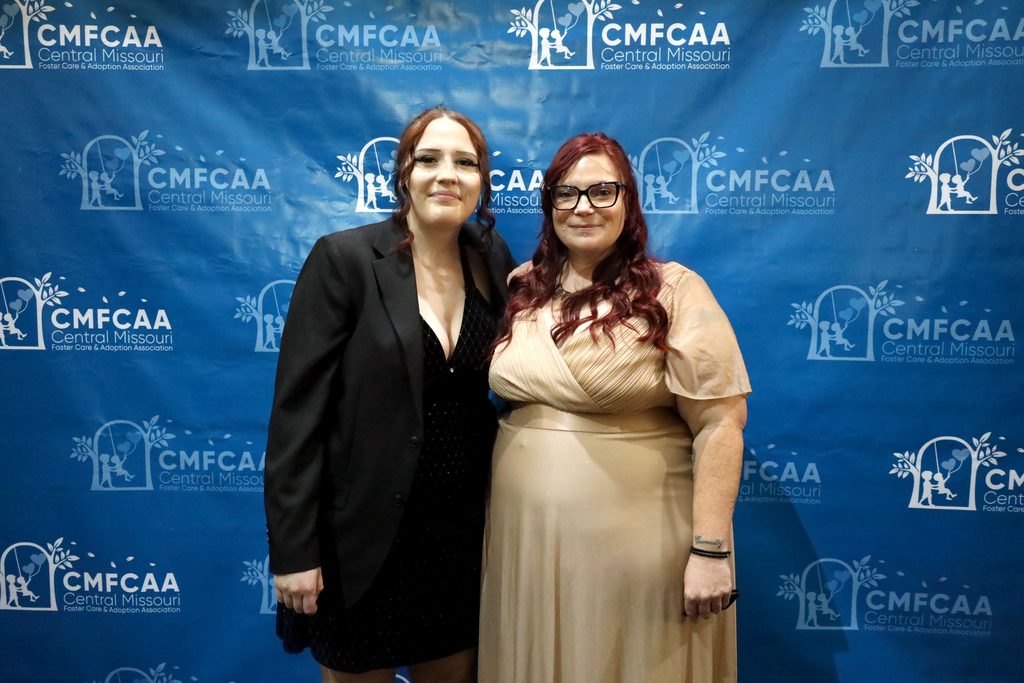
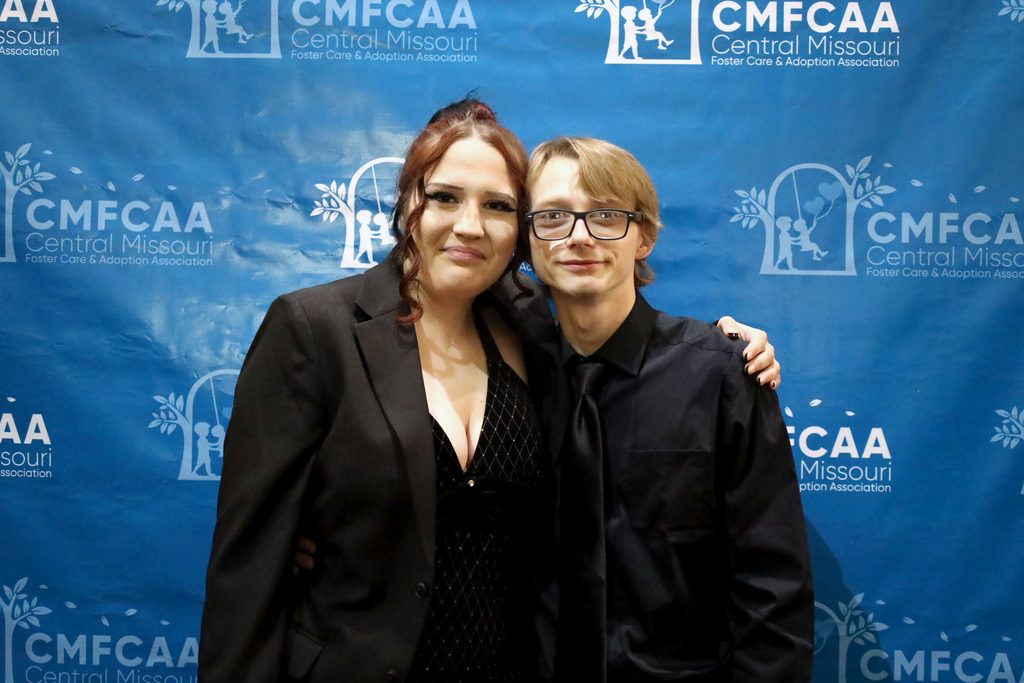
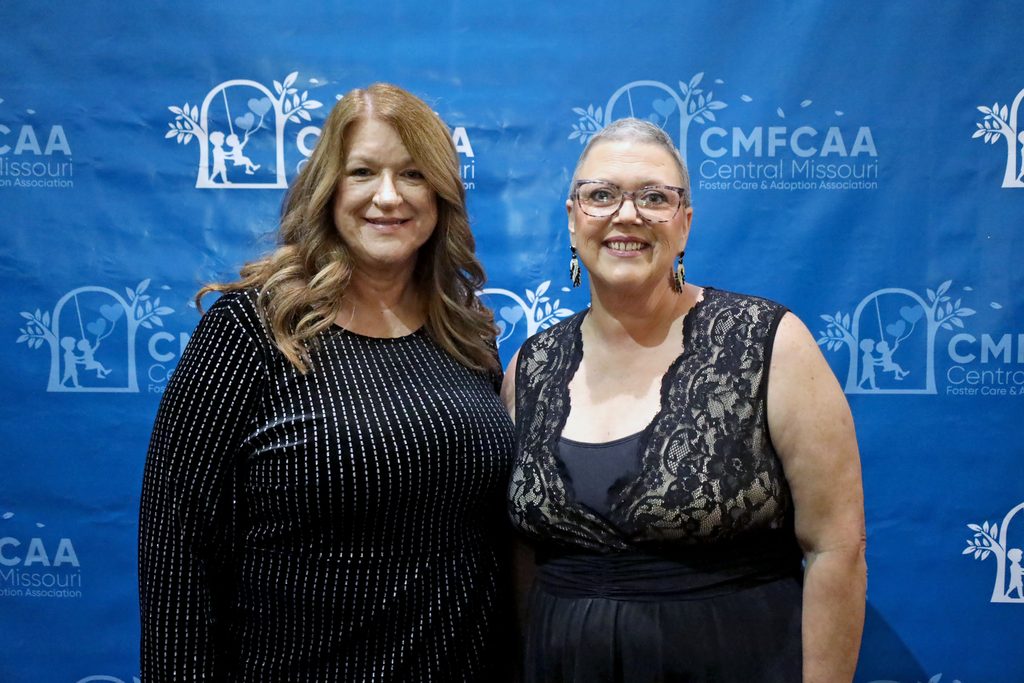
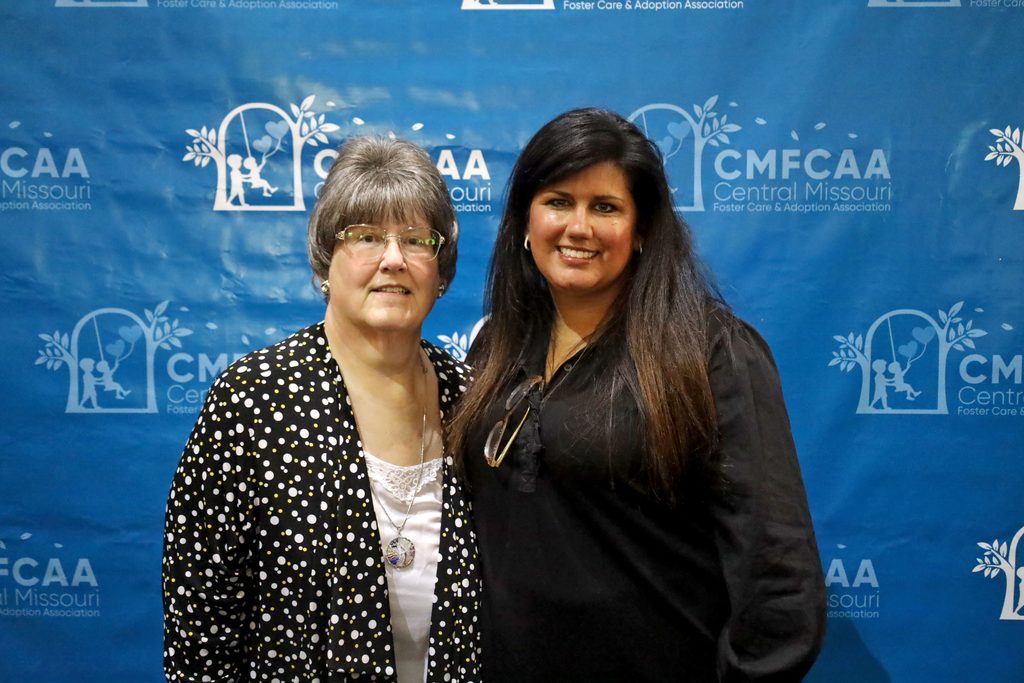
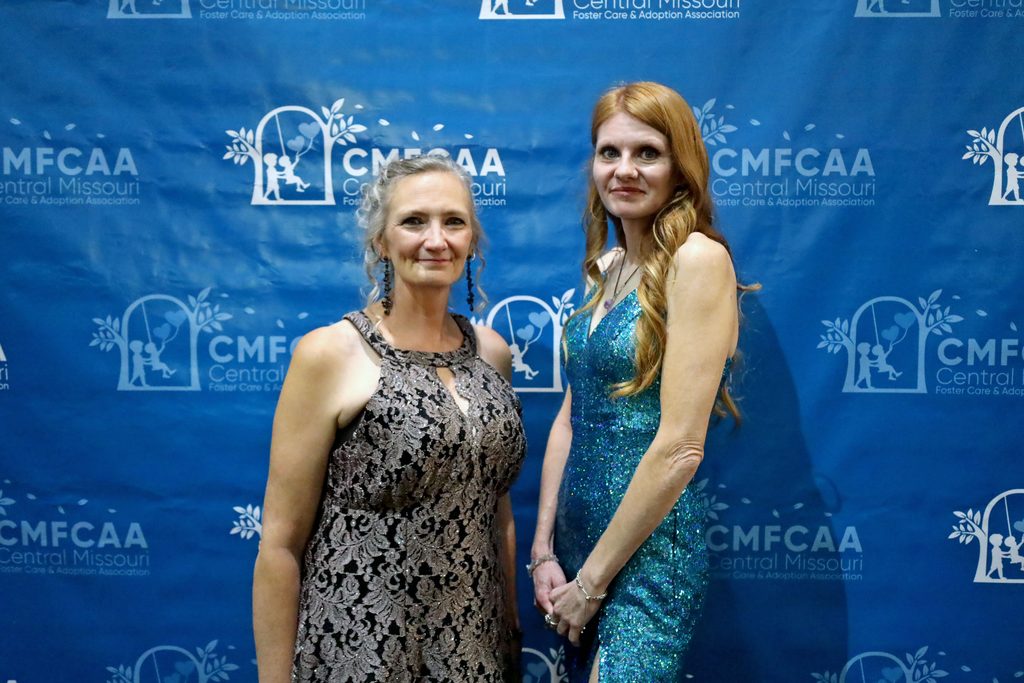
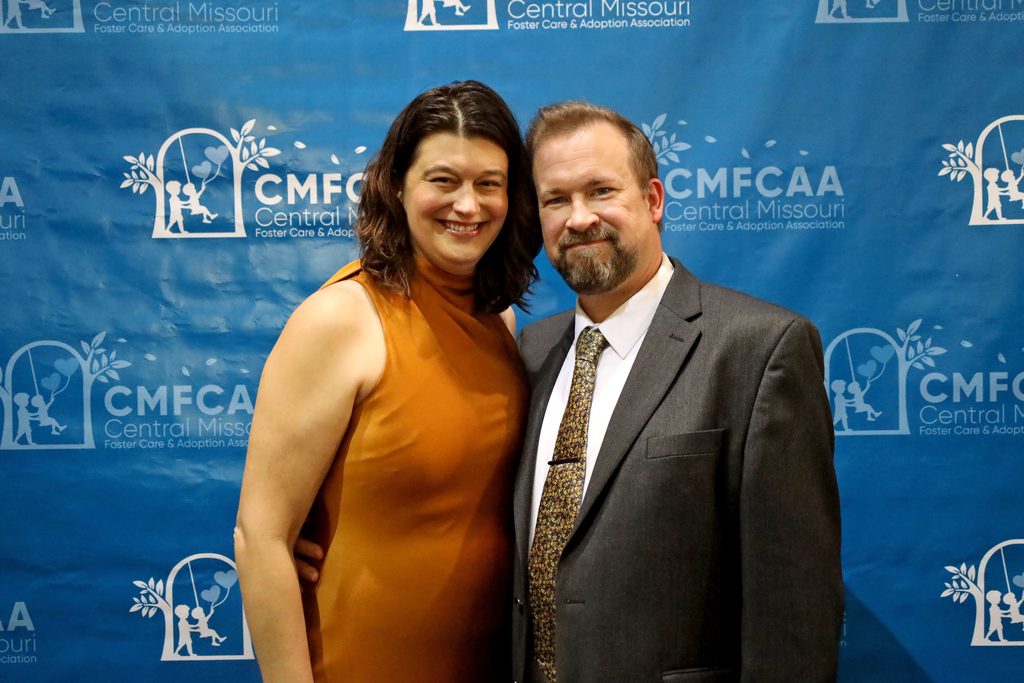
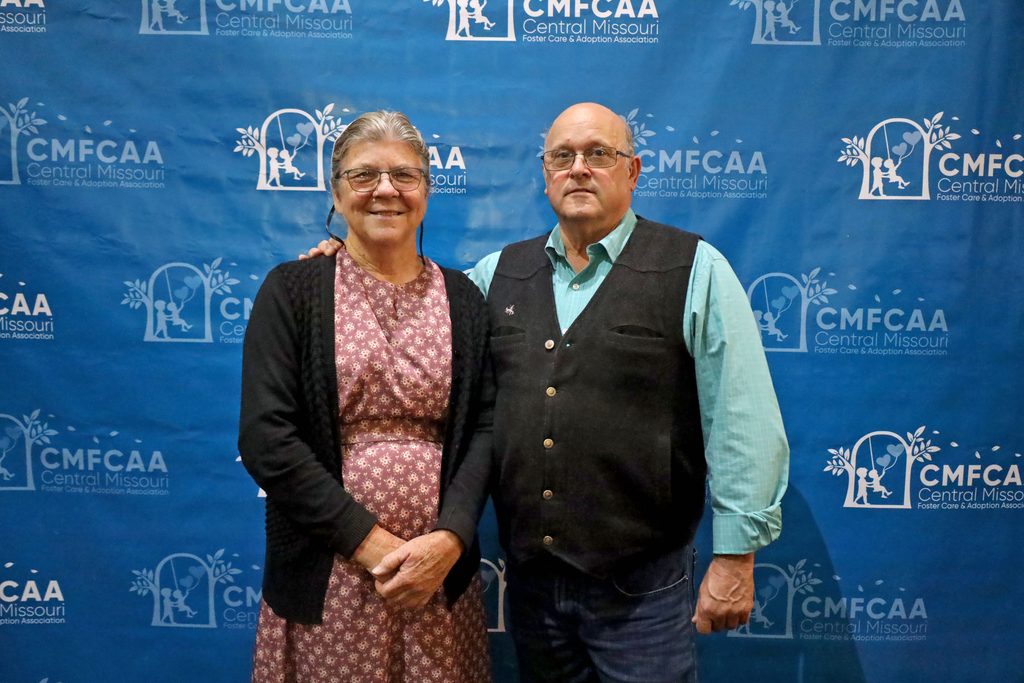
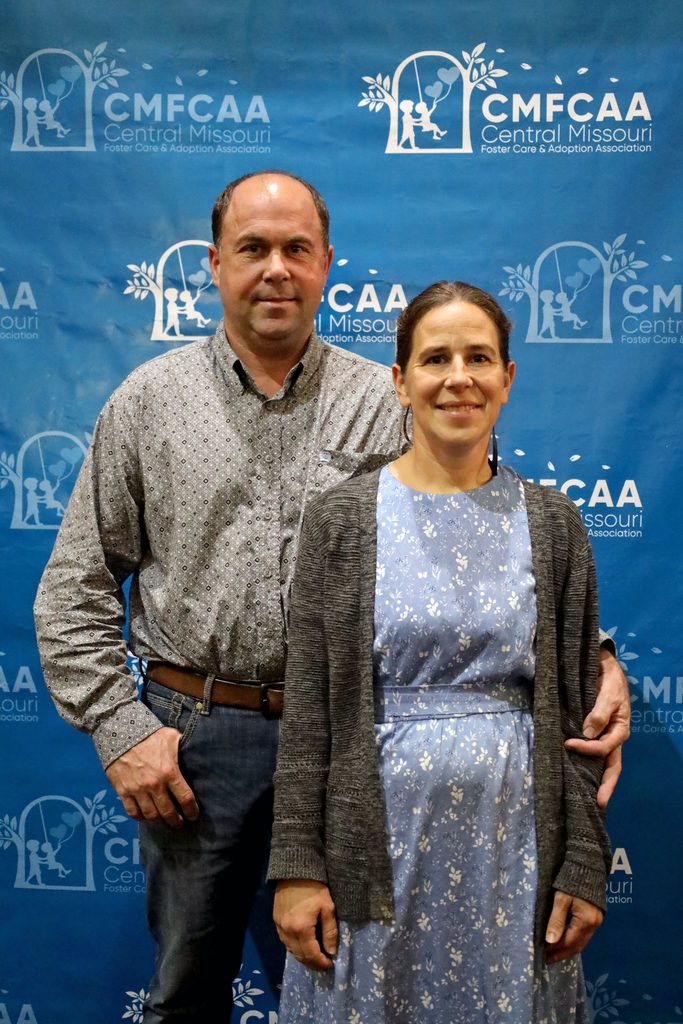
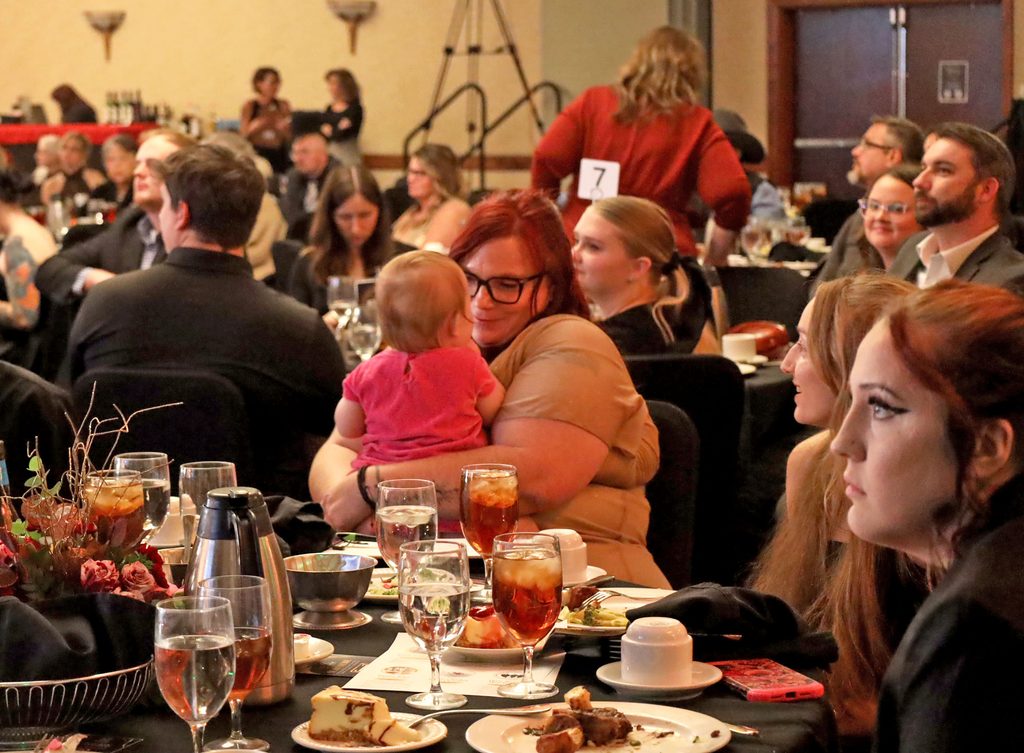
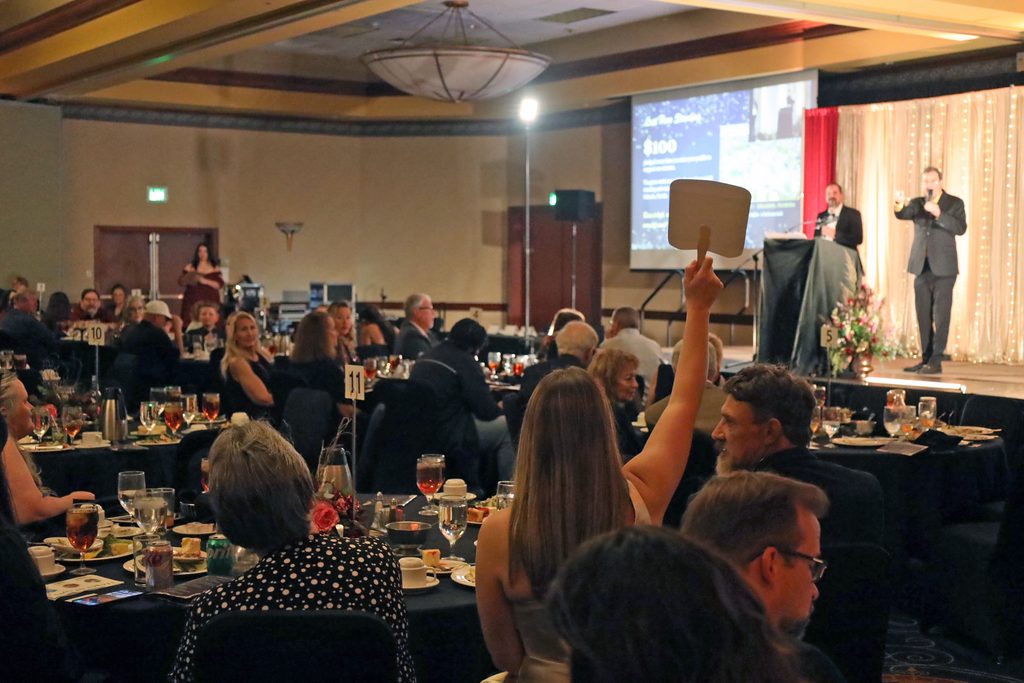
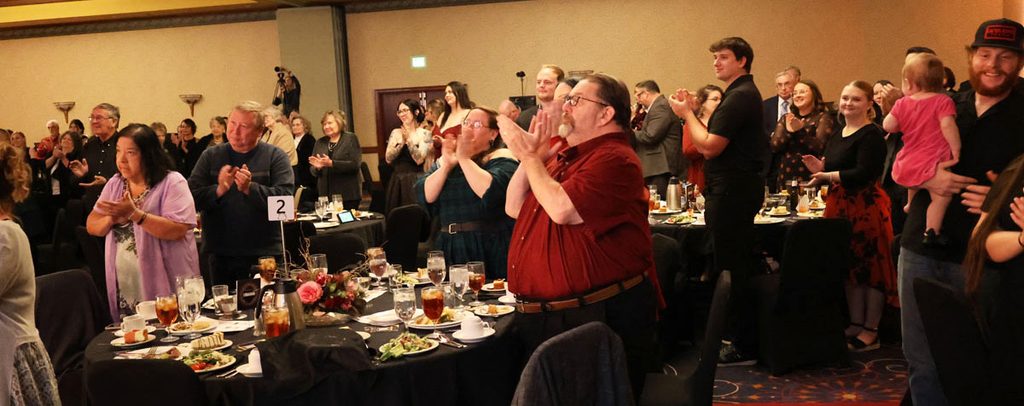
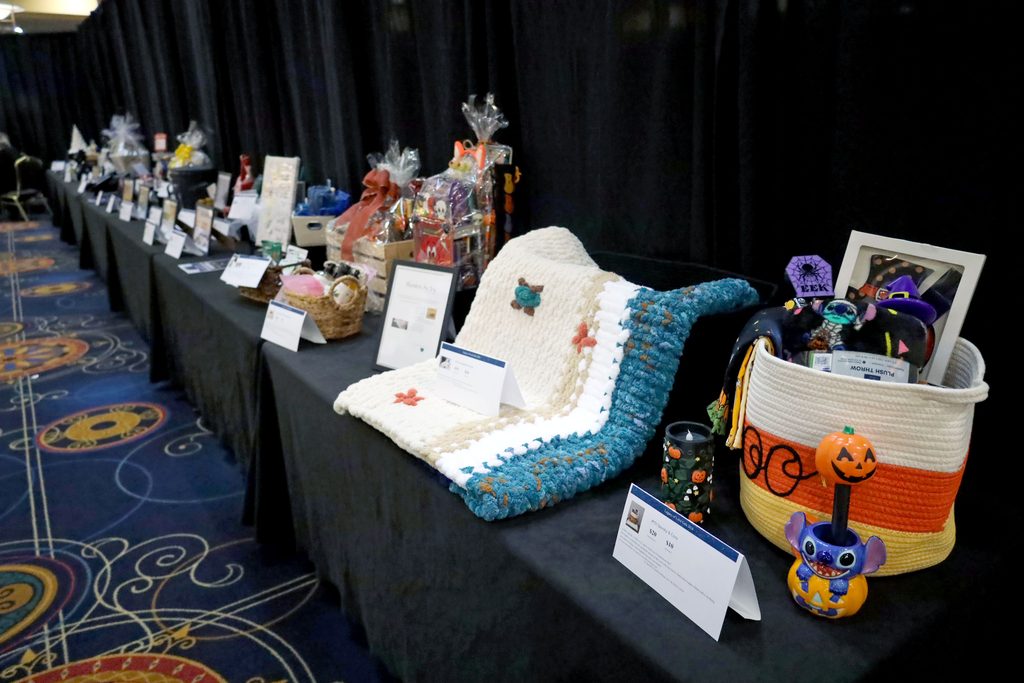
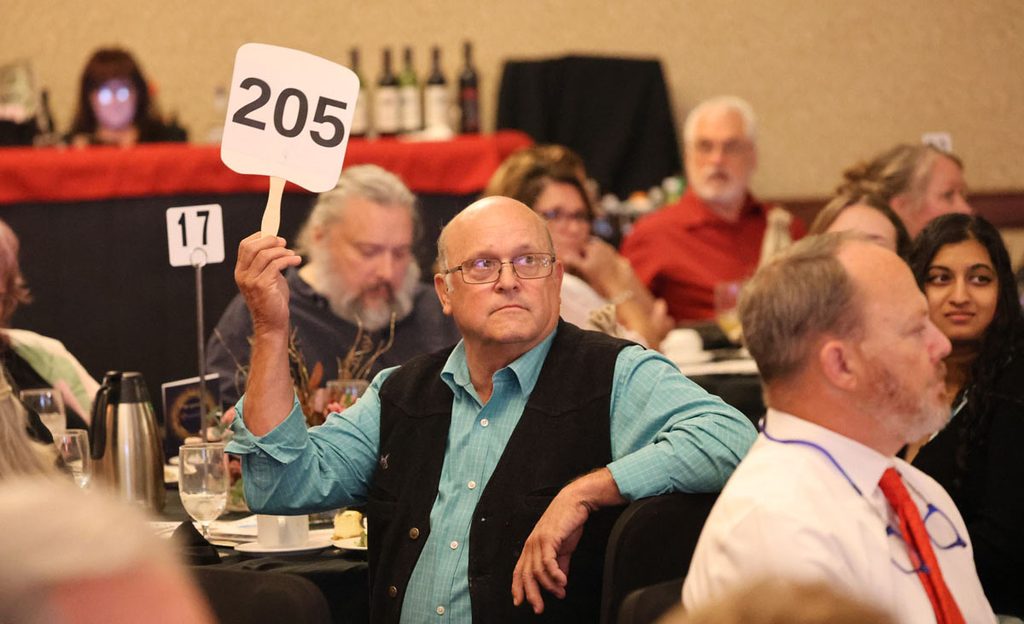
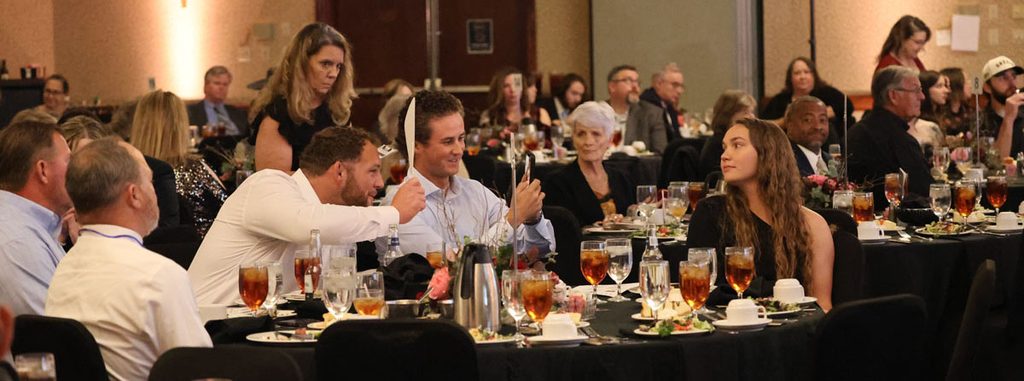
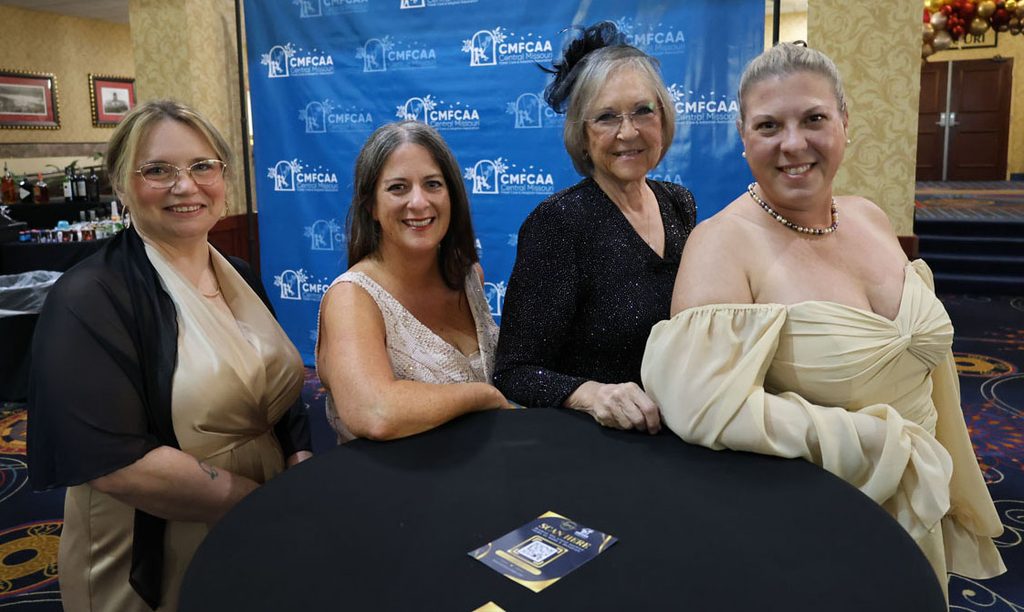
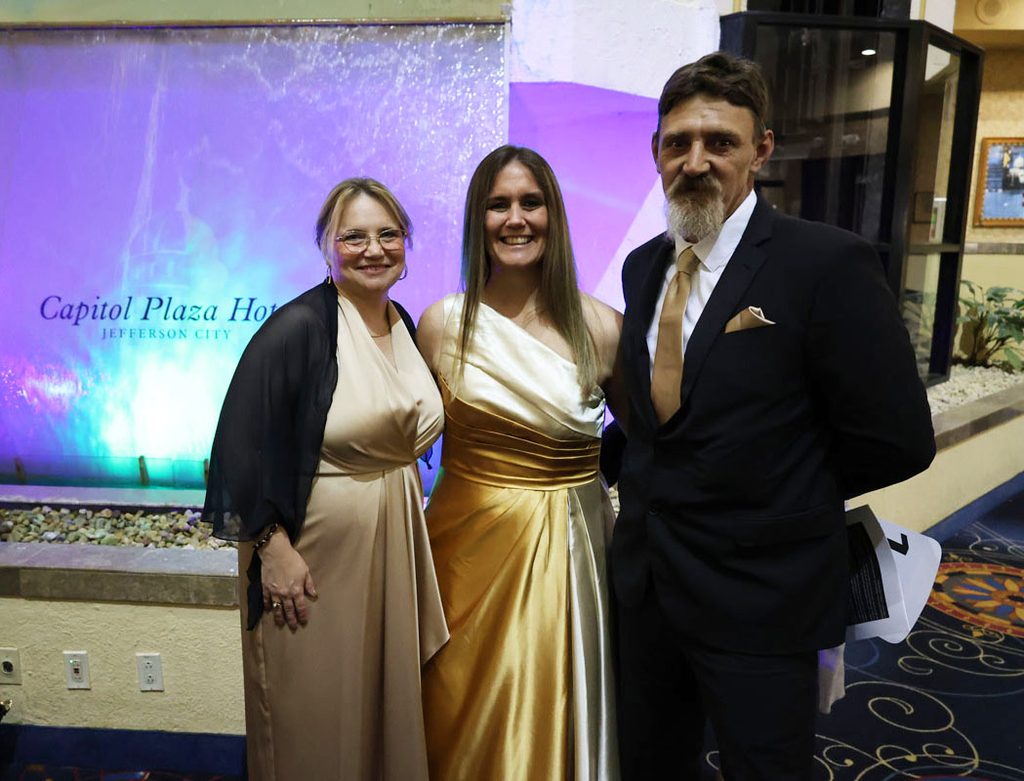
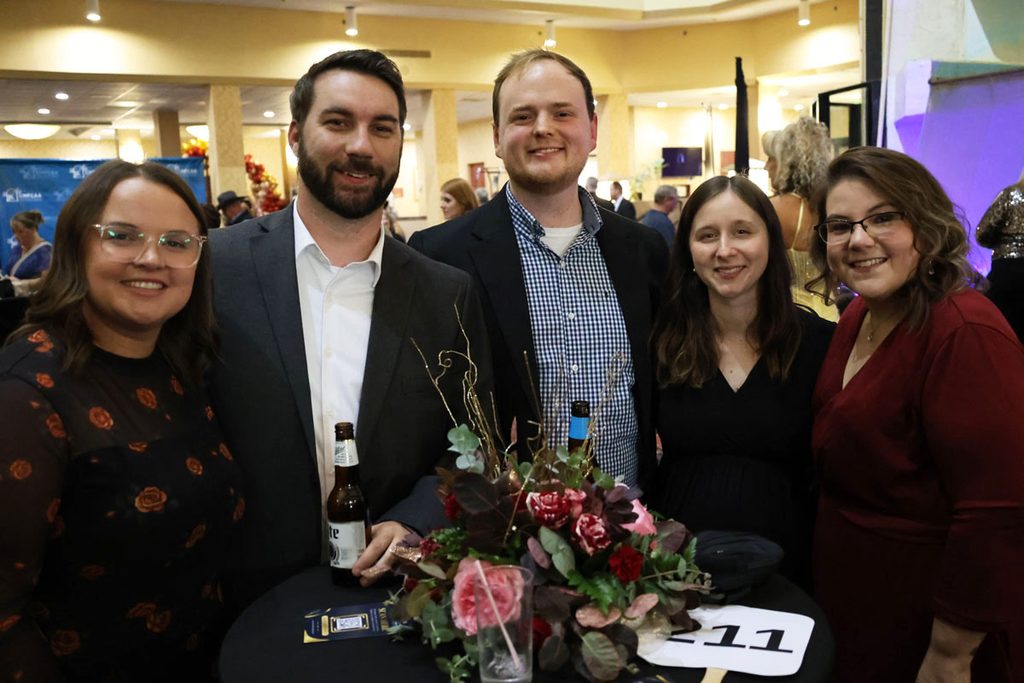
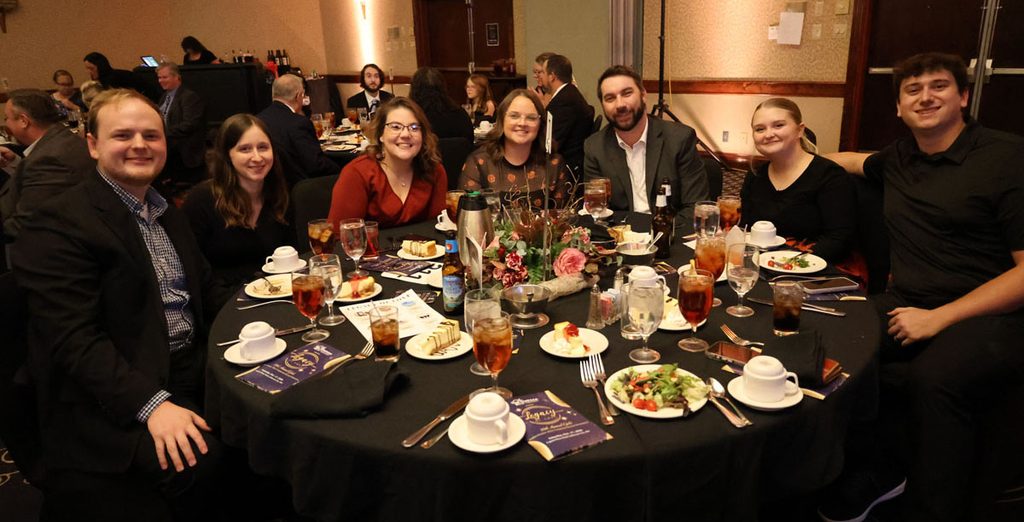
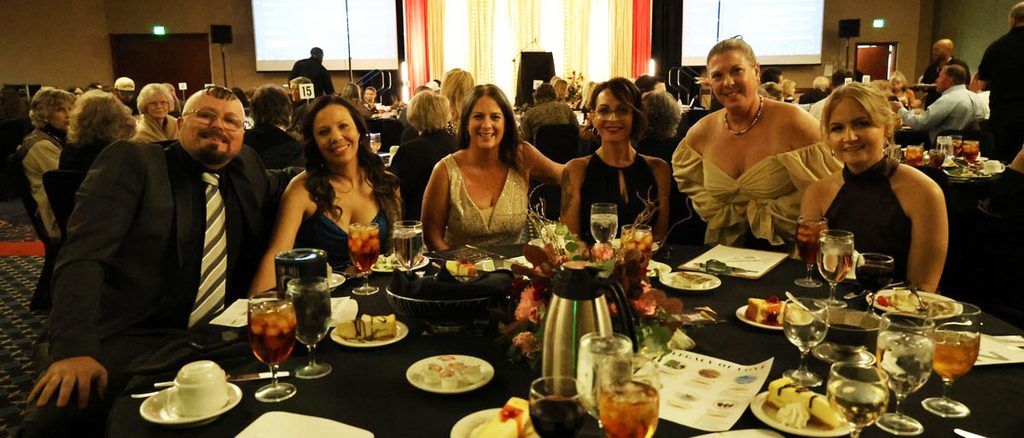
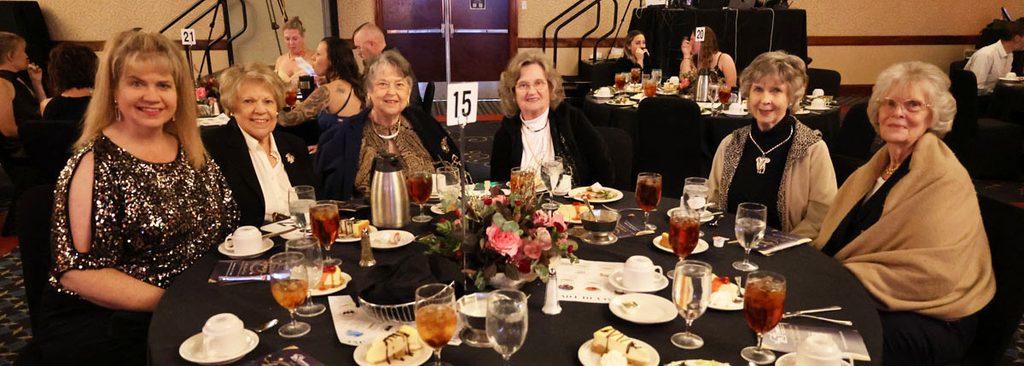
CMFCAA Legacy of Love Gala raises $110,000 for children and families

CMFCAA Legacy of Love Gala raises $110,000 for children and families

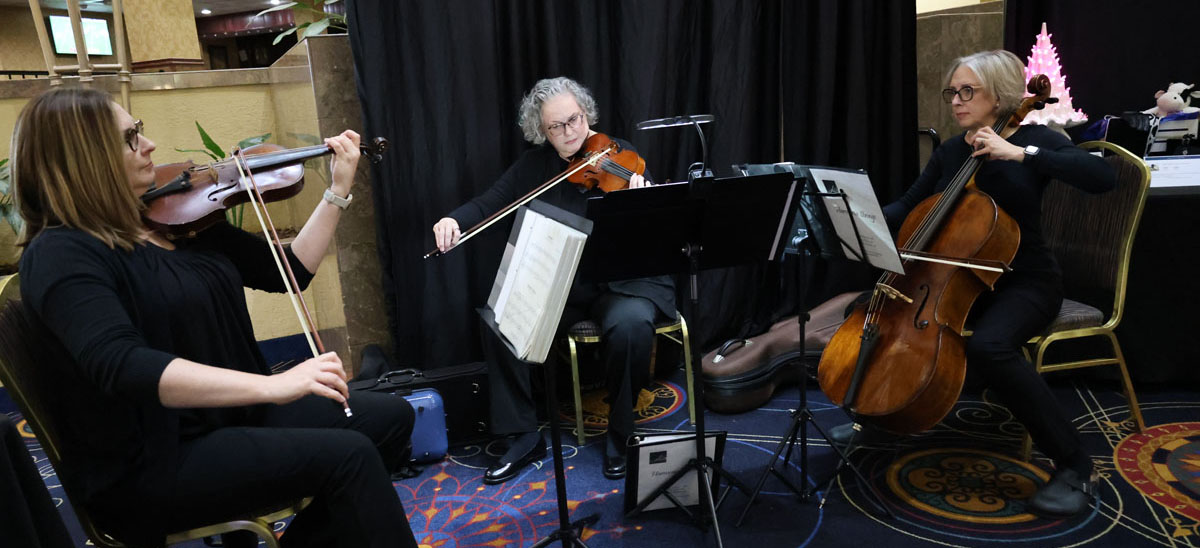
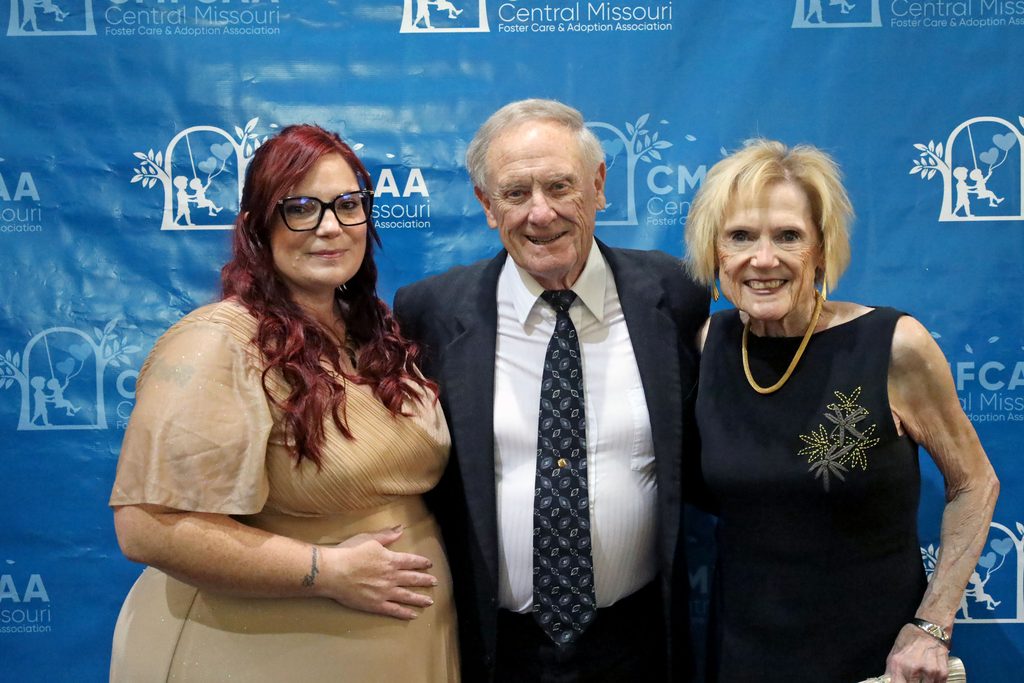
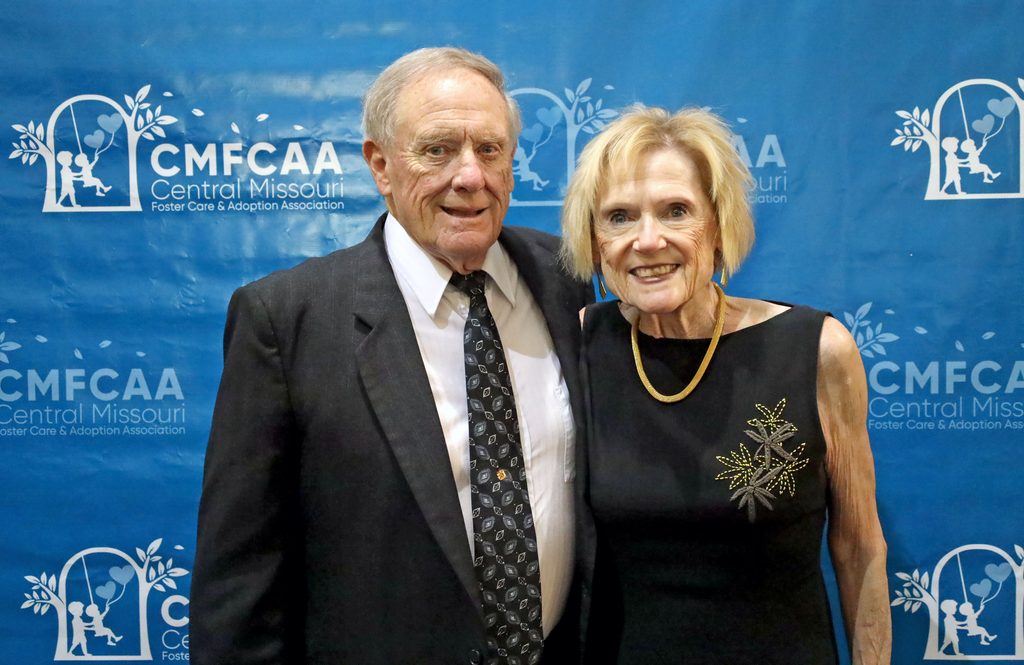
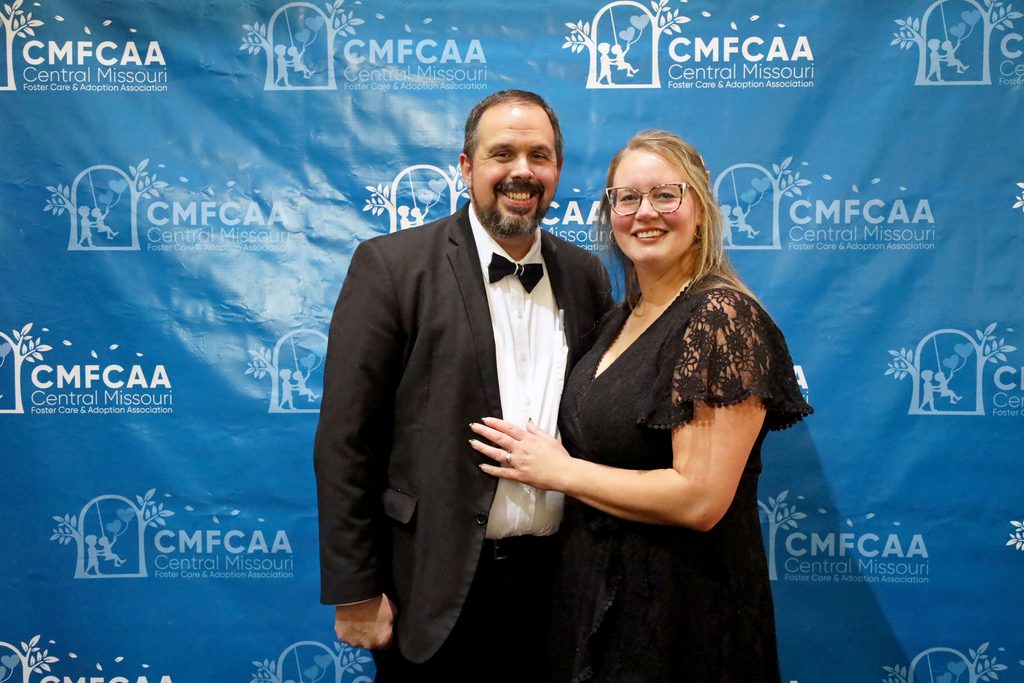
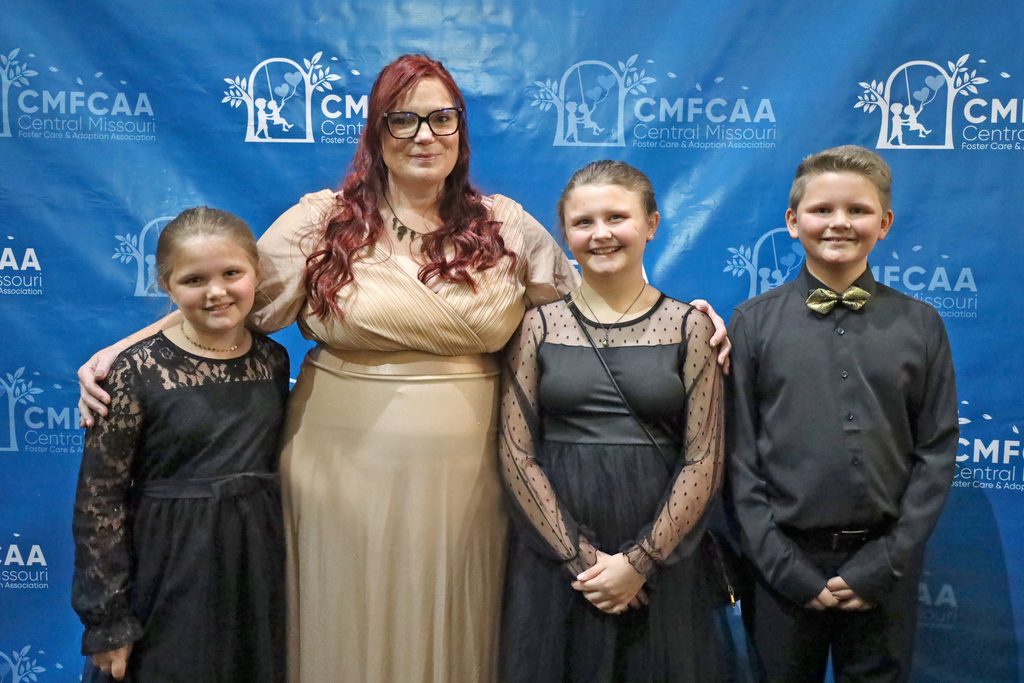
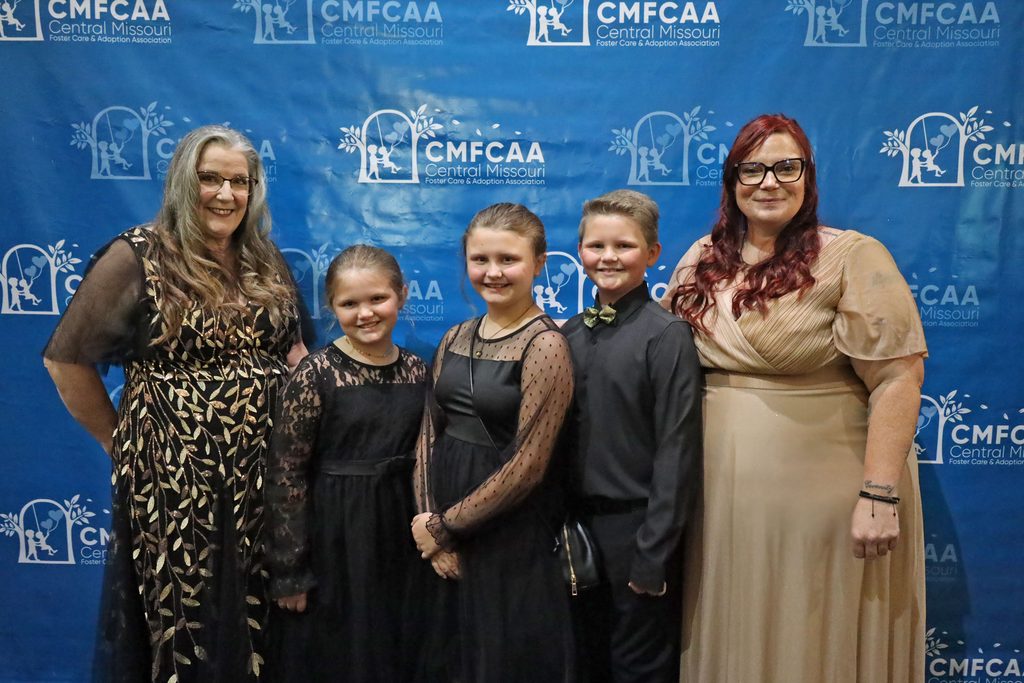
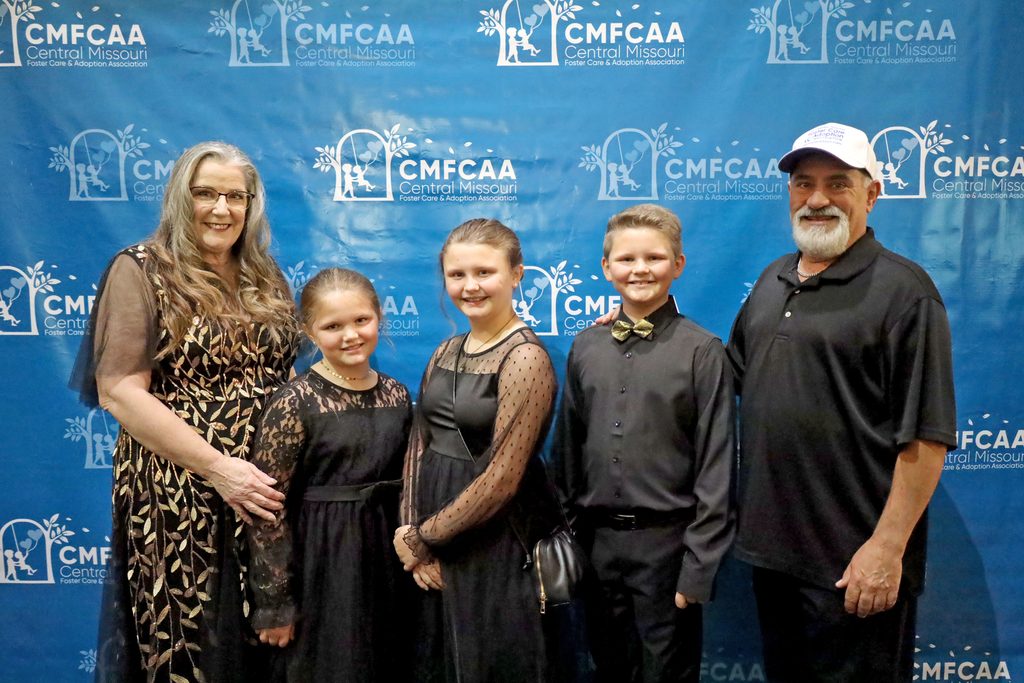
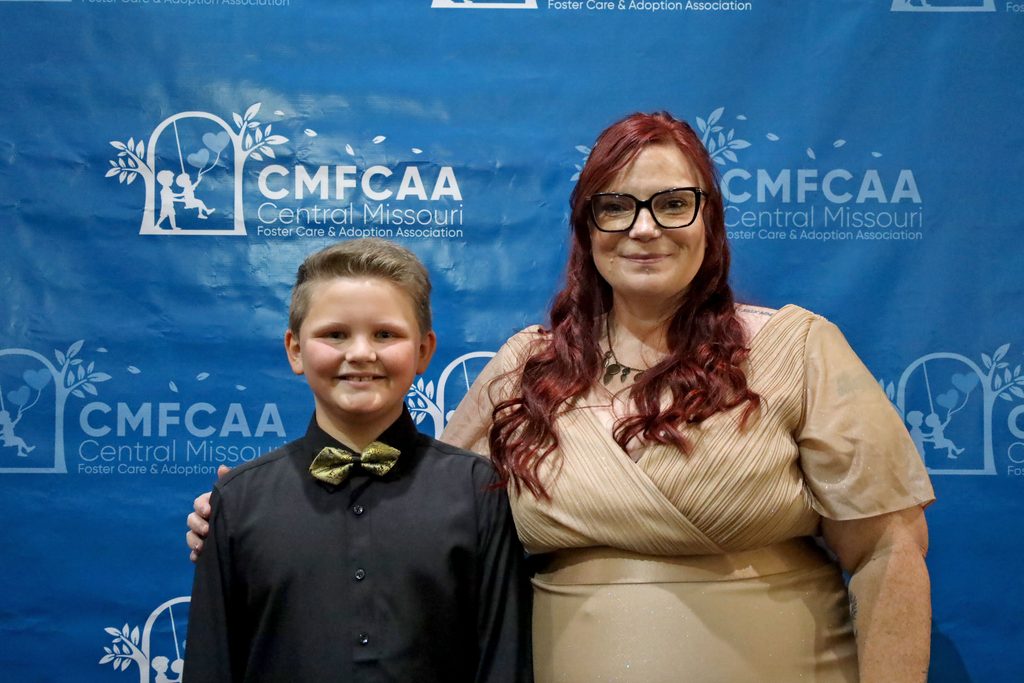
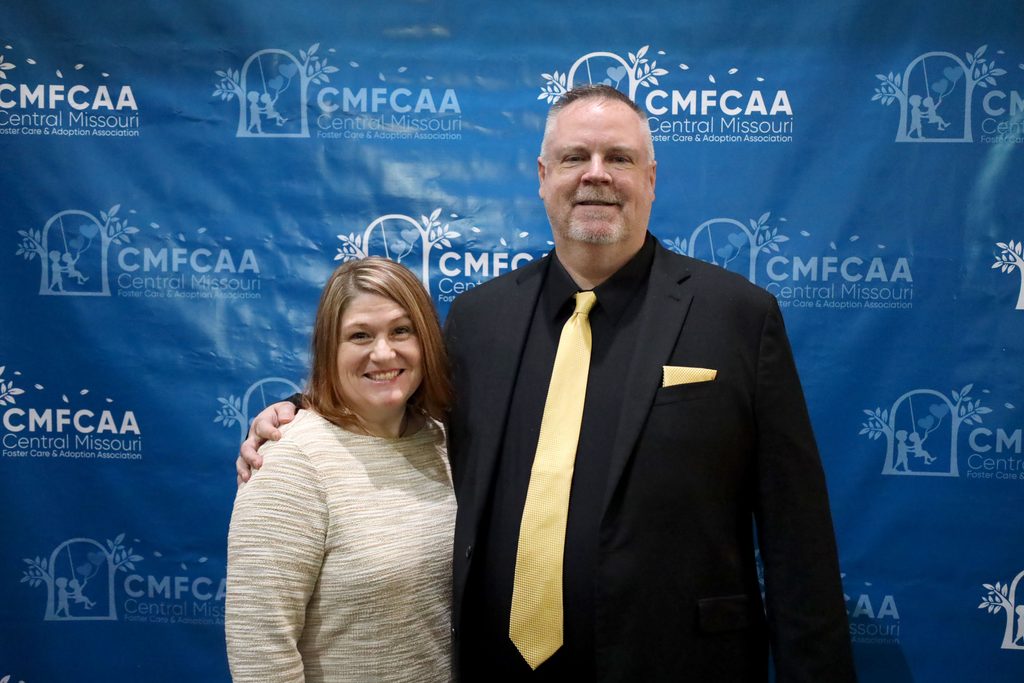
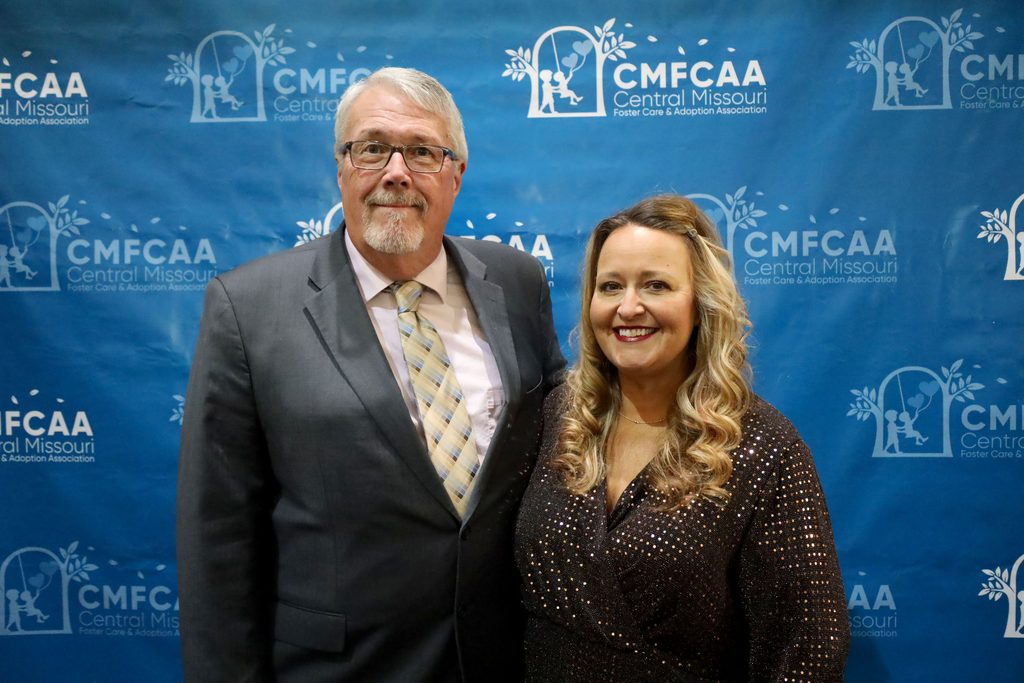
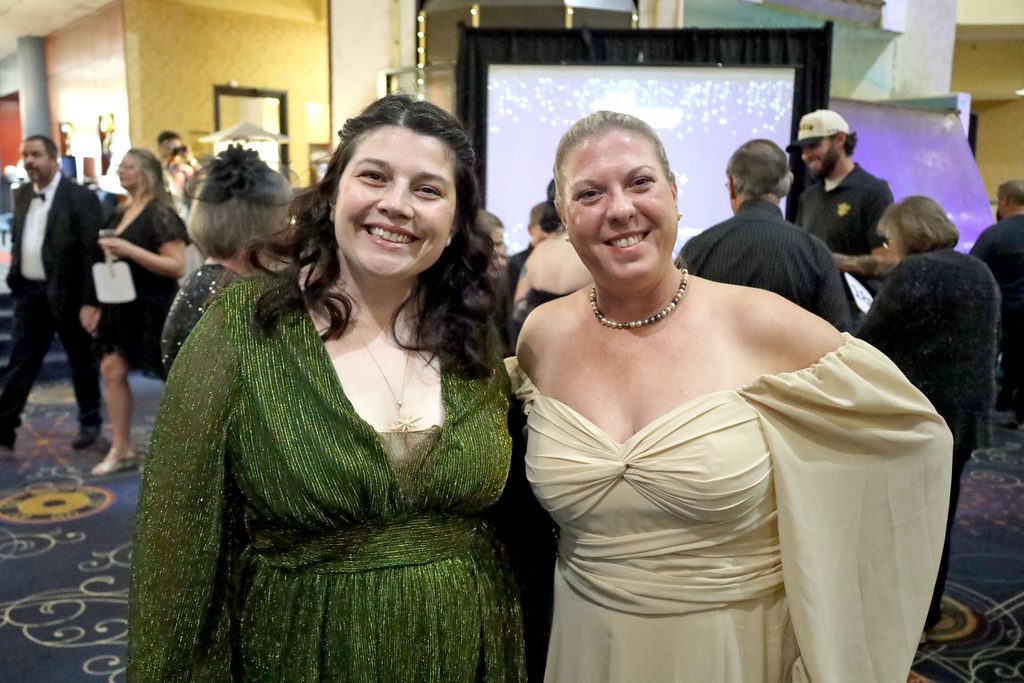
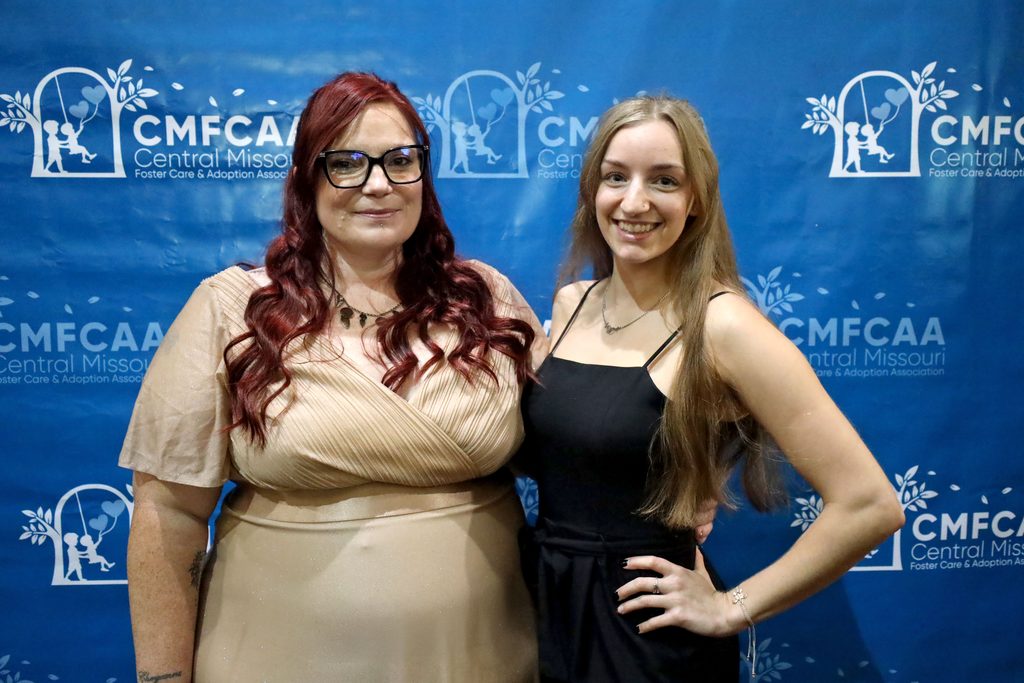
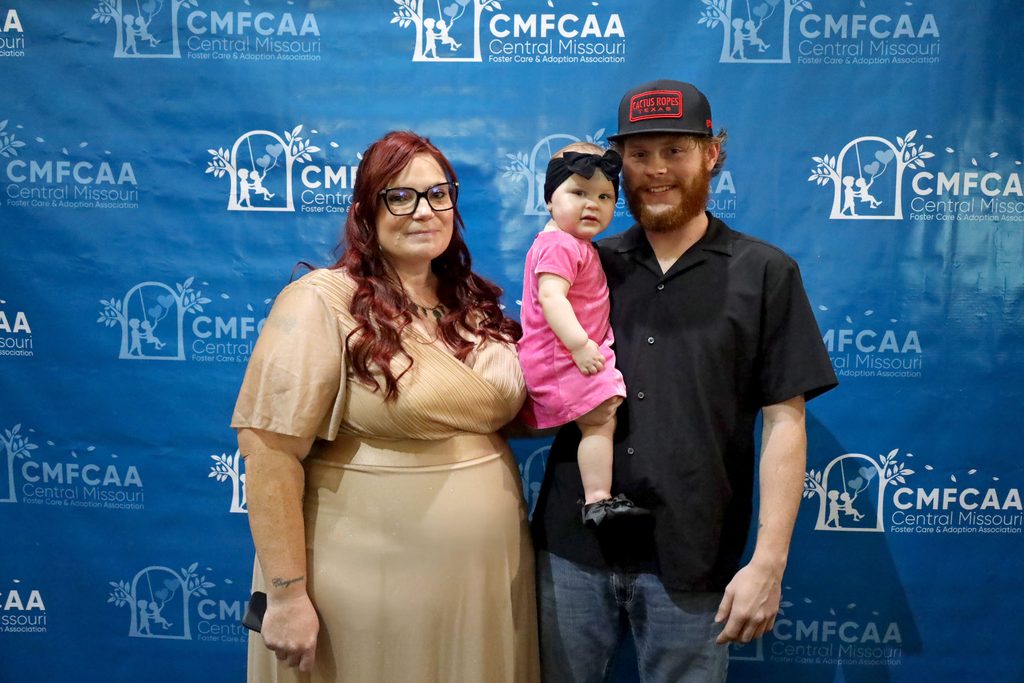
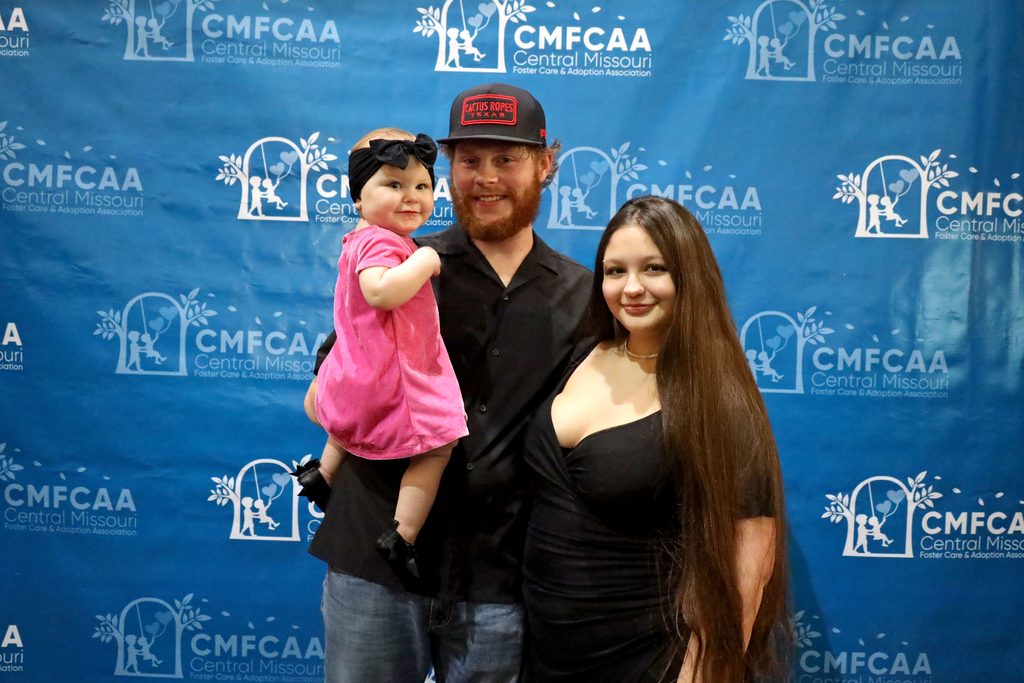
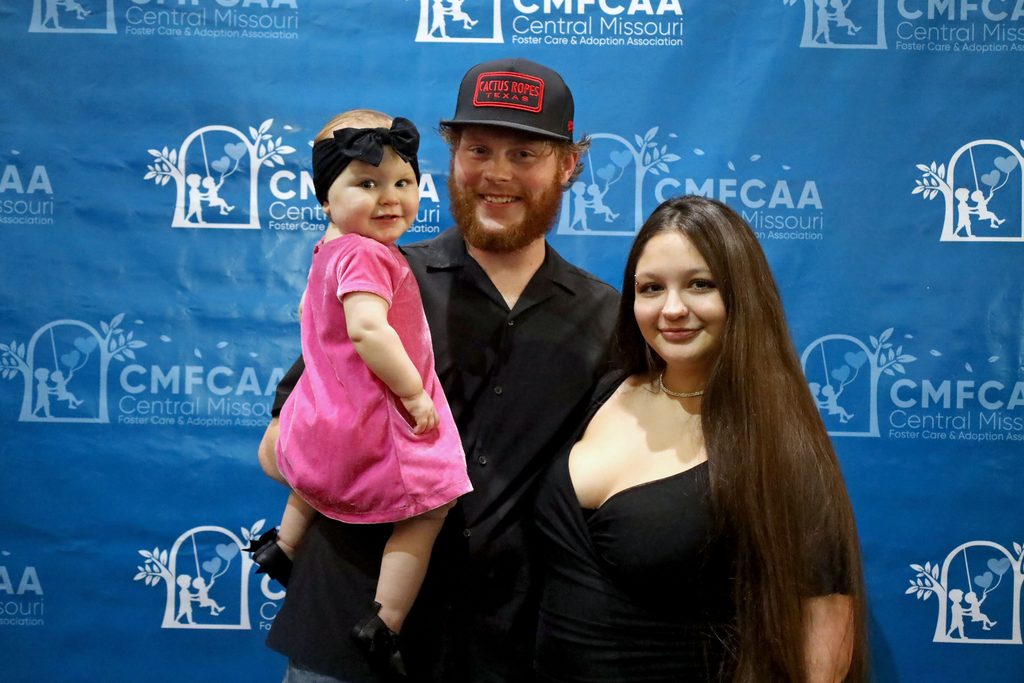
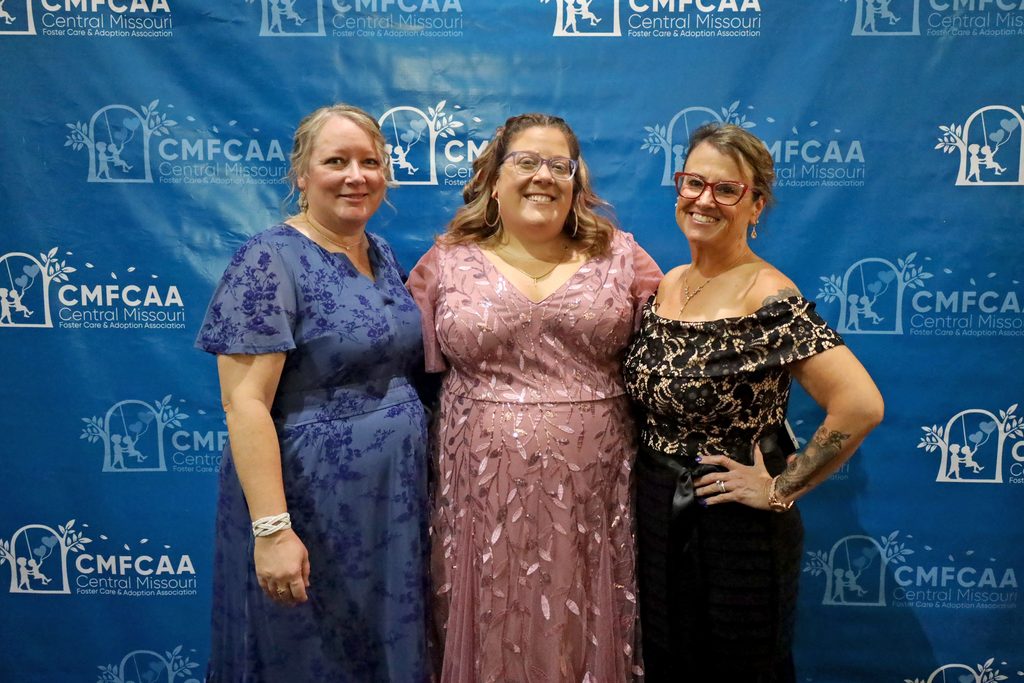
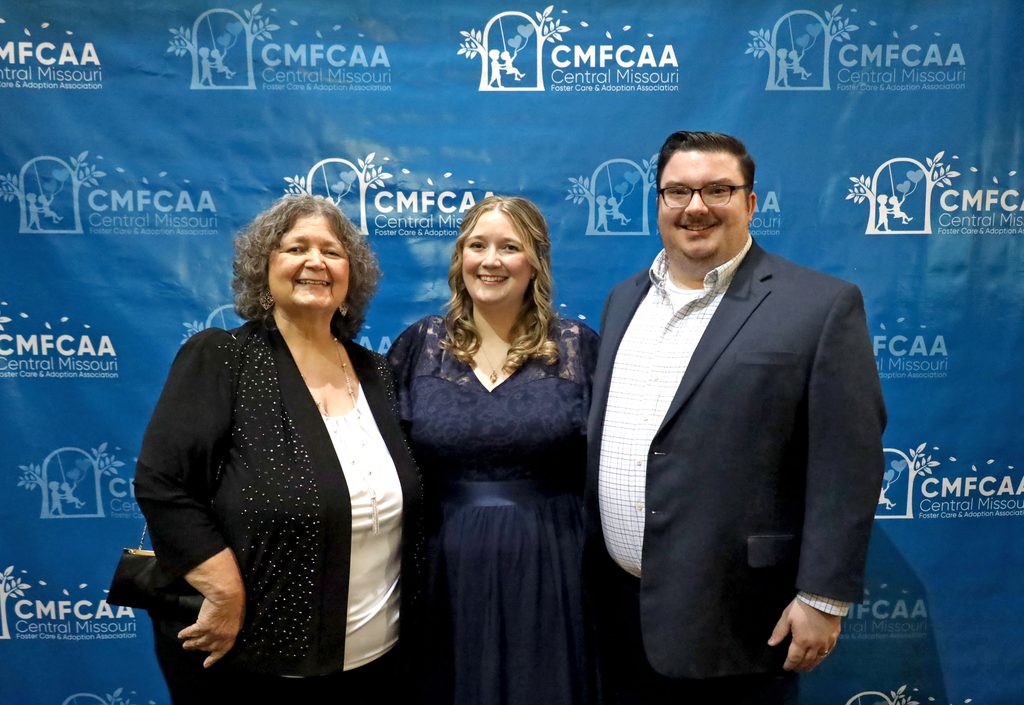
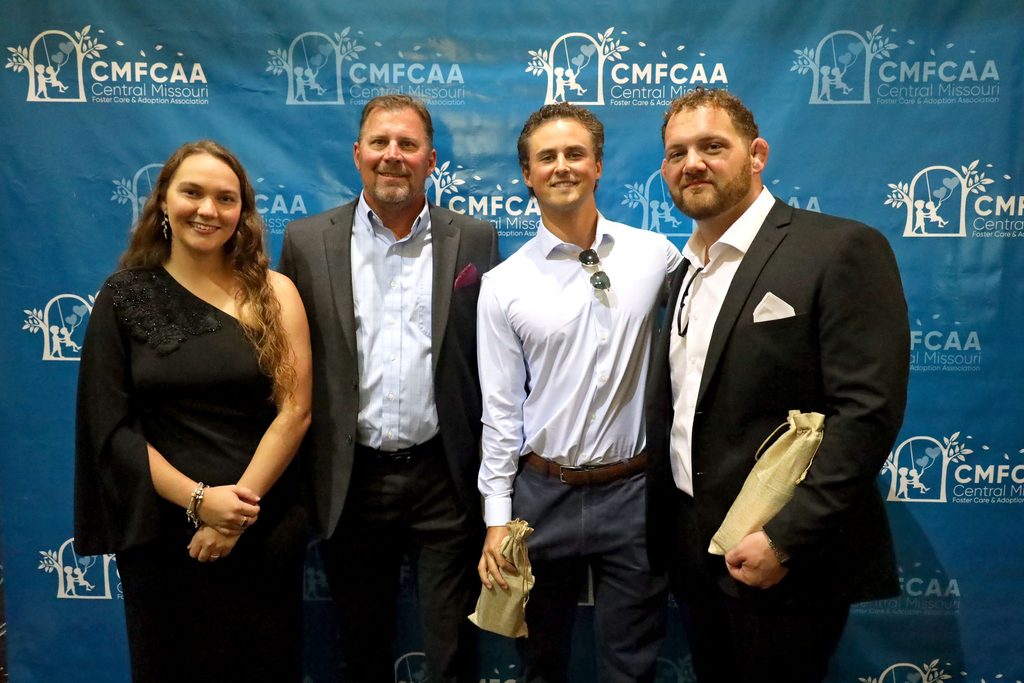
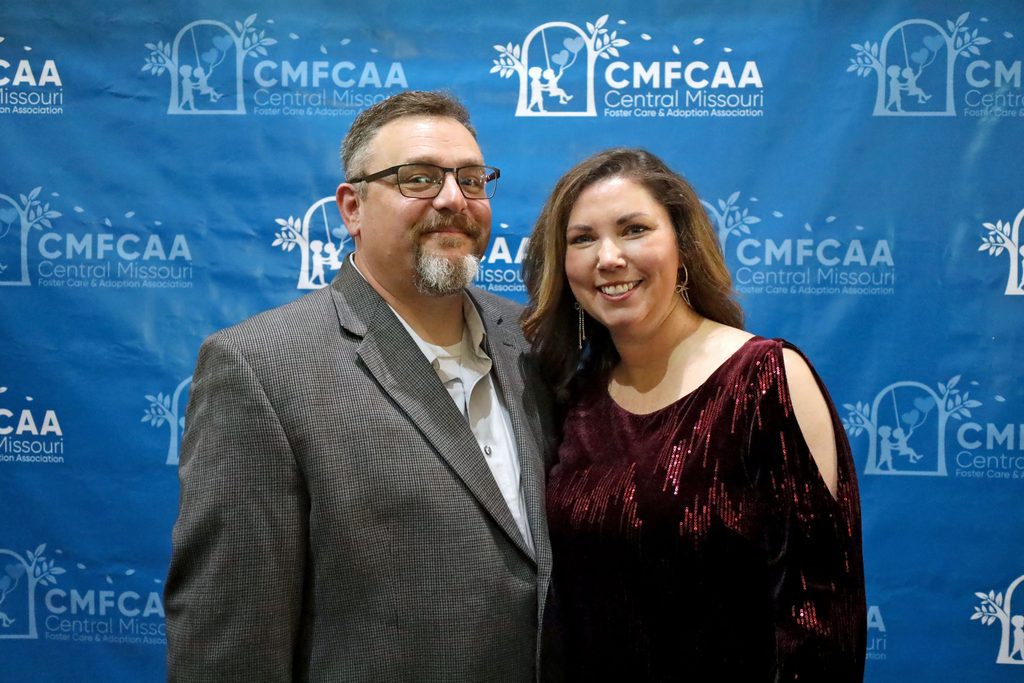
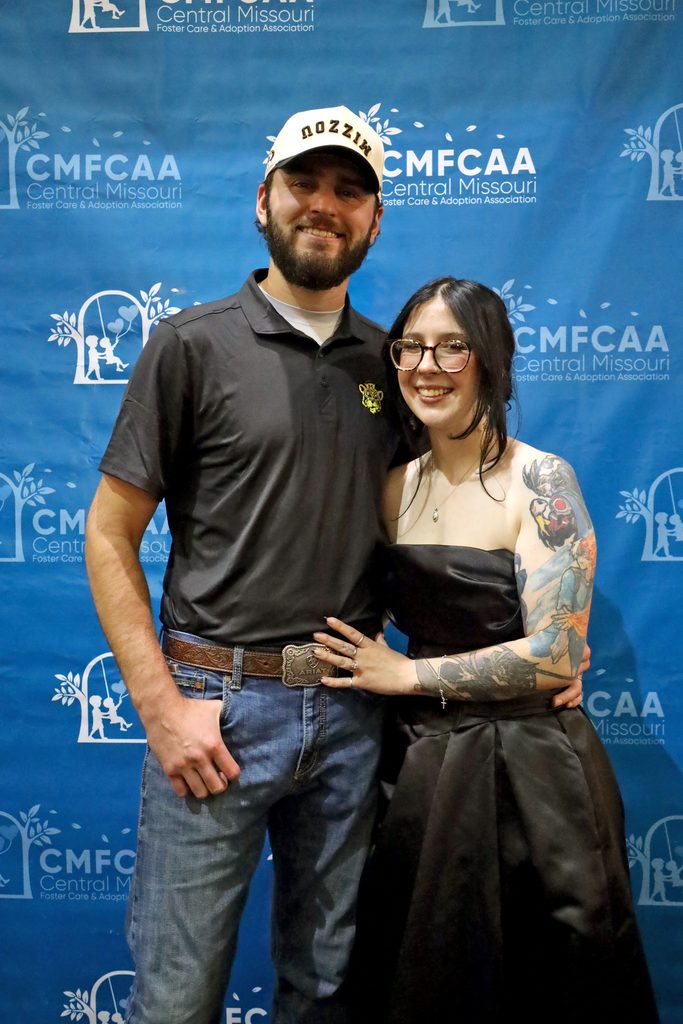
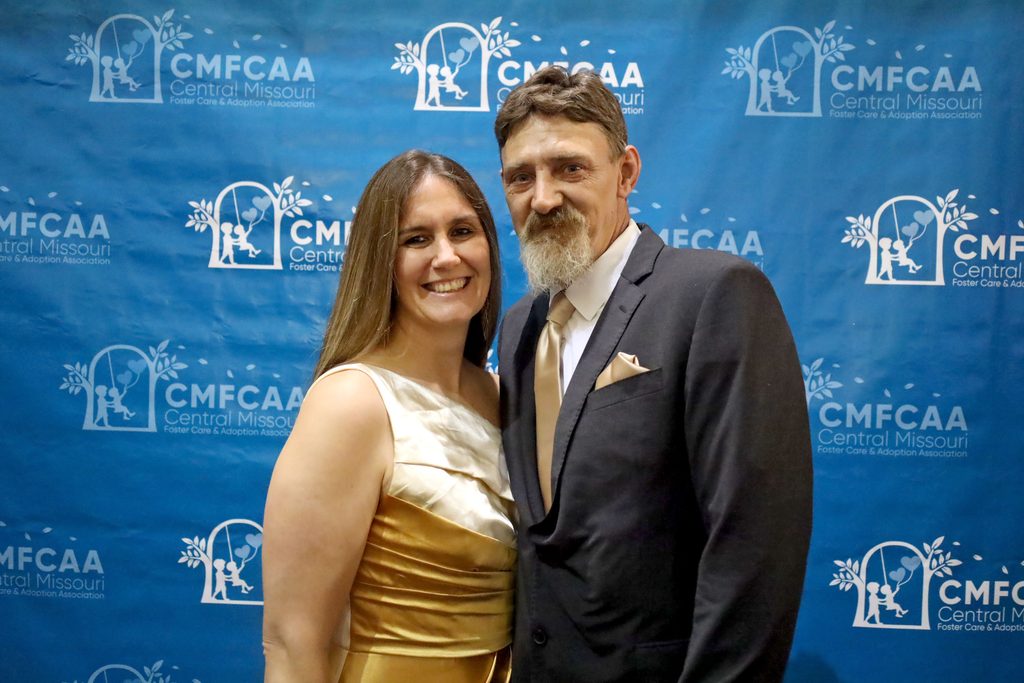
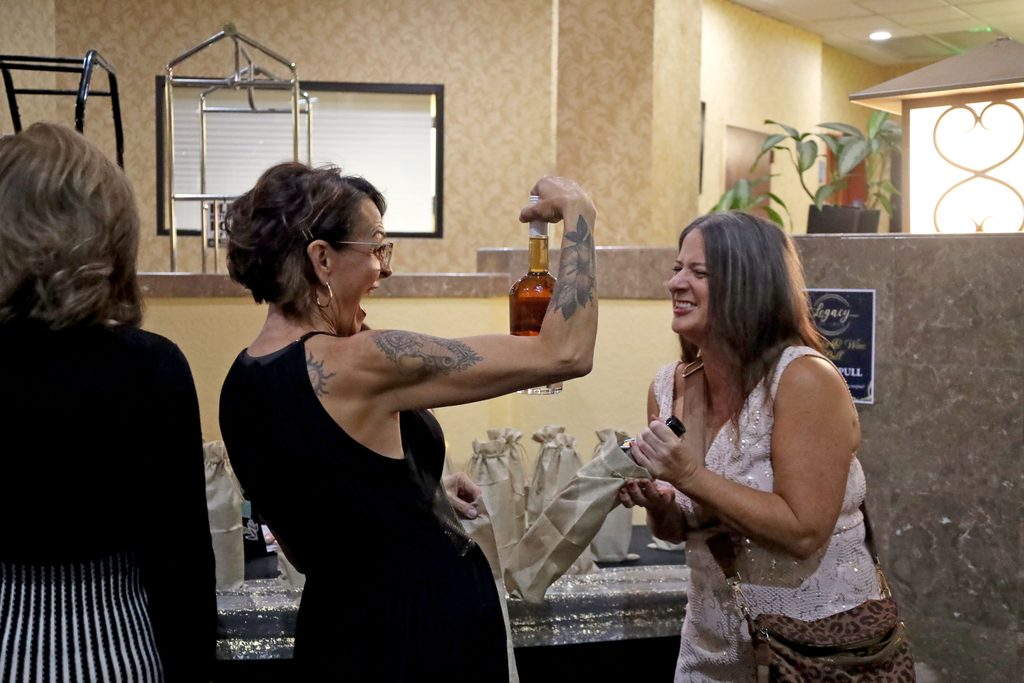
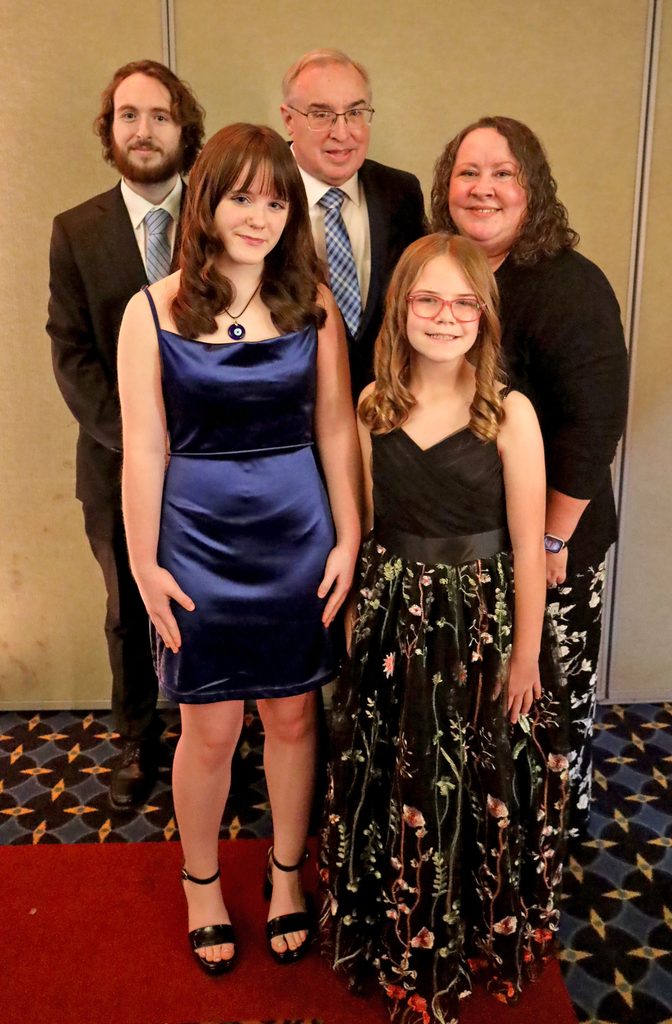
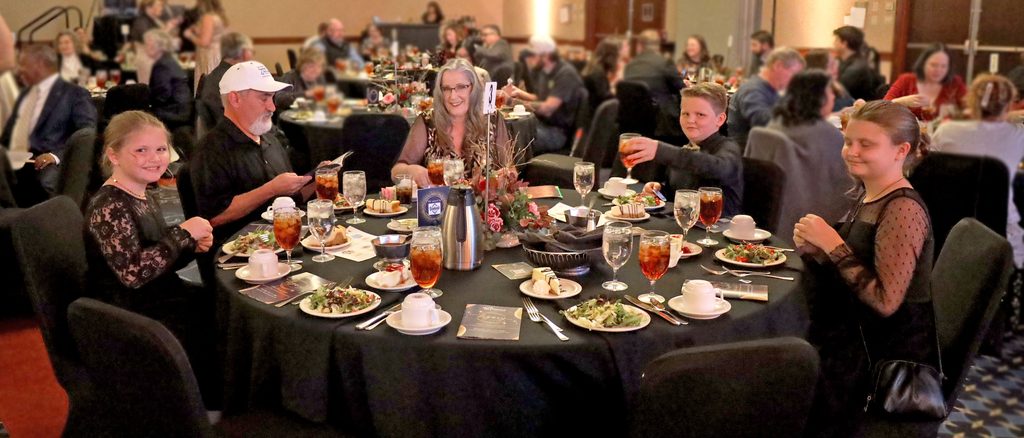
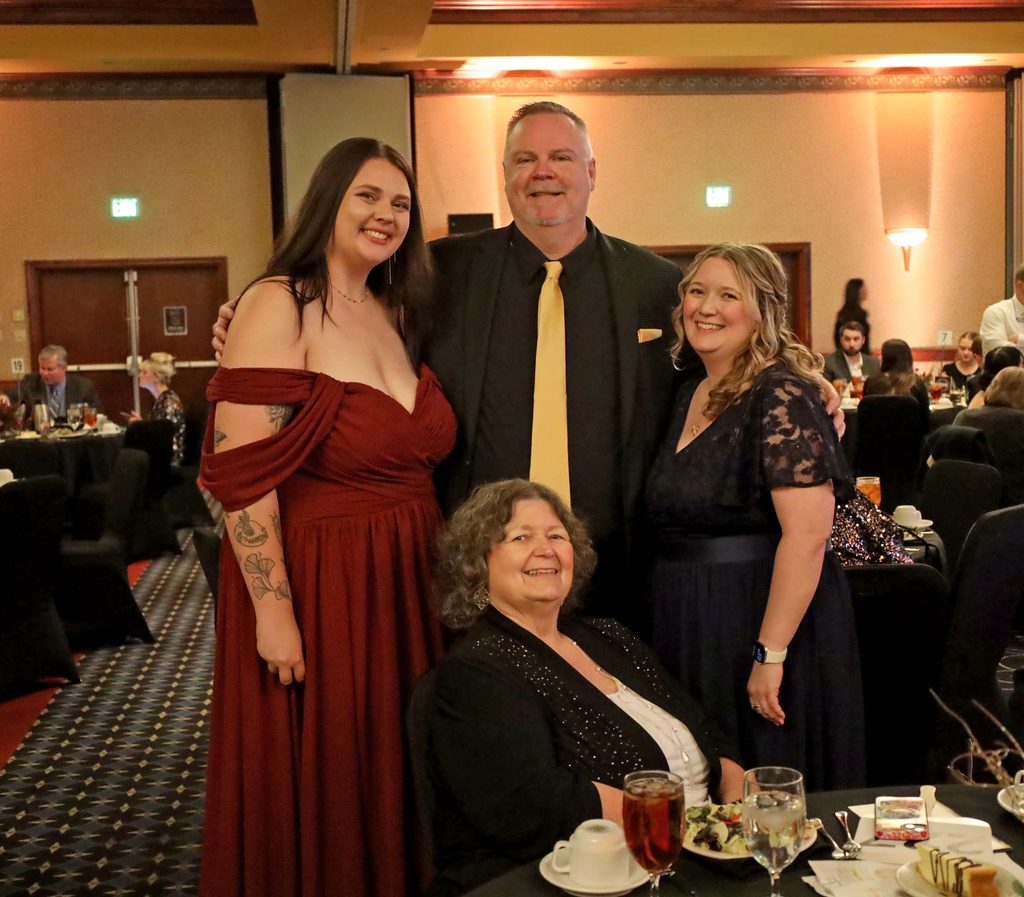
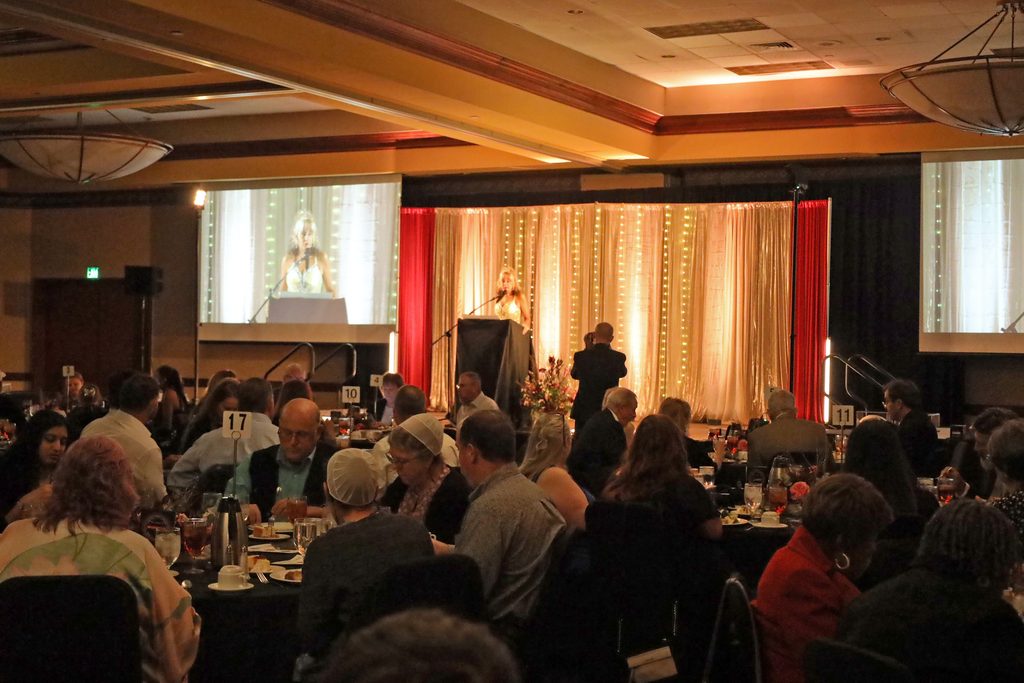
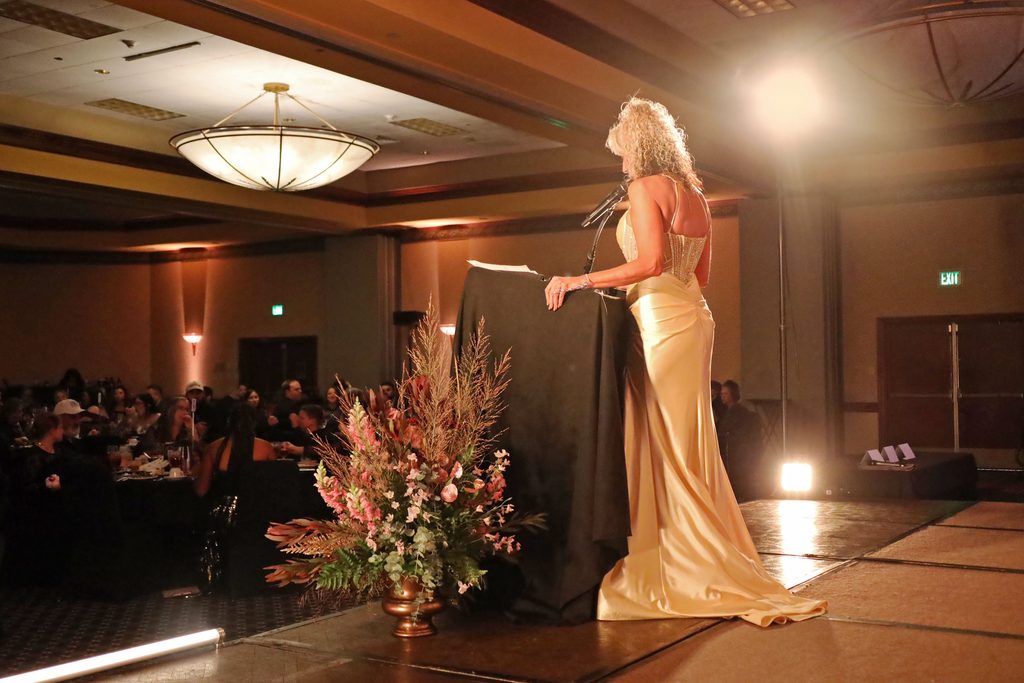
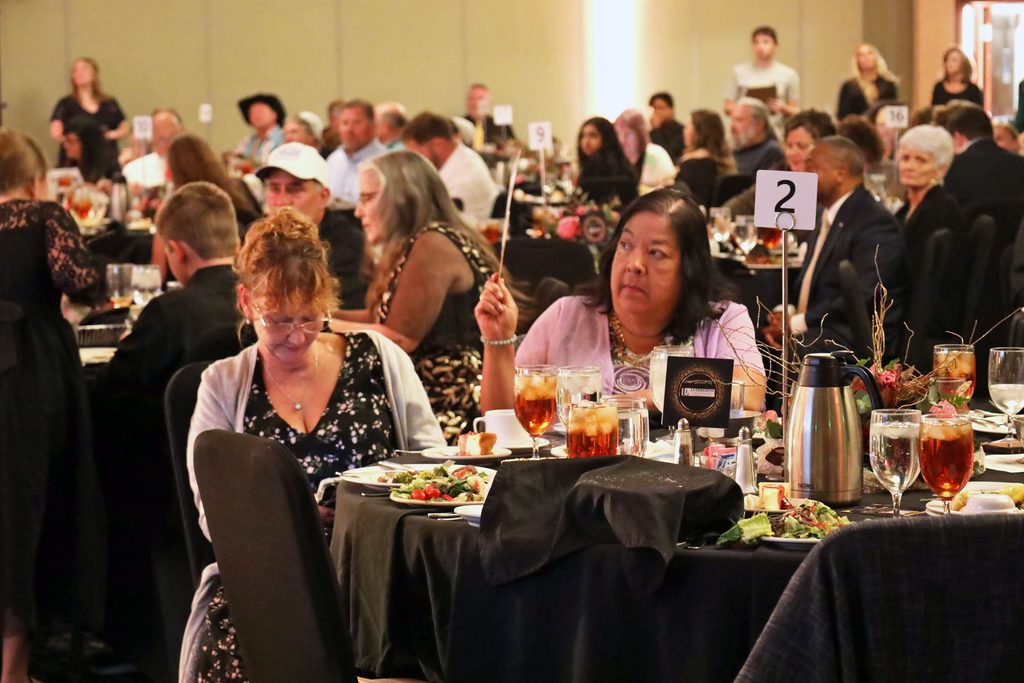
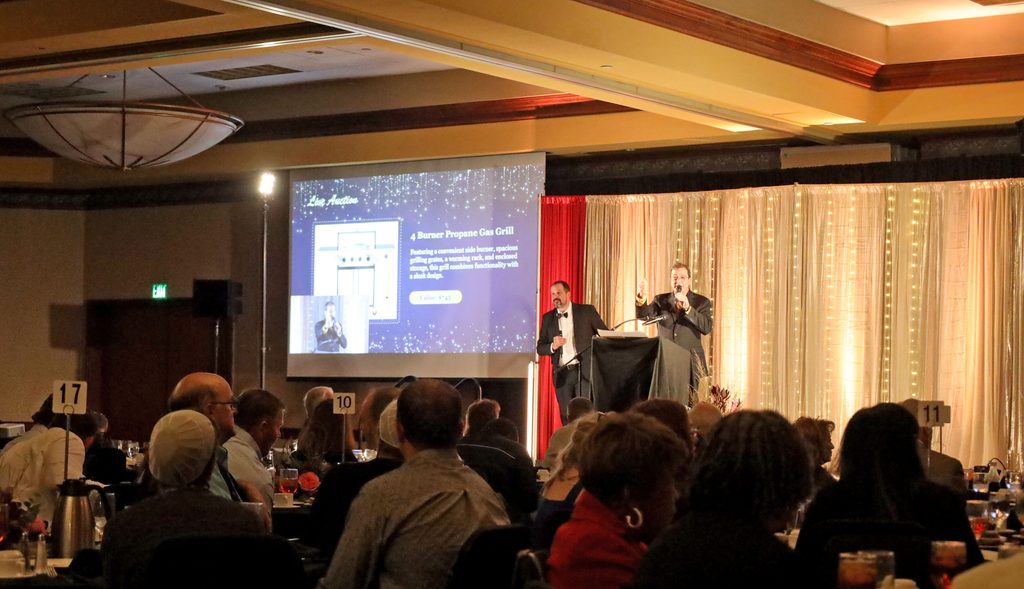
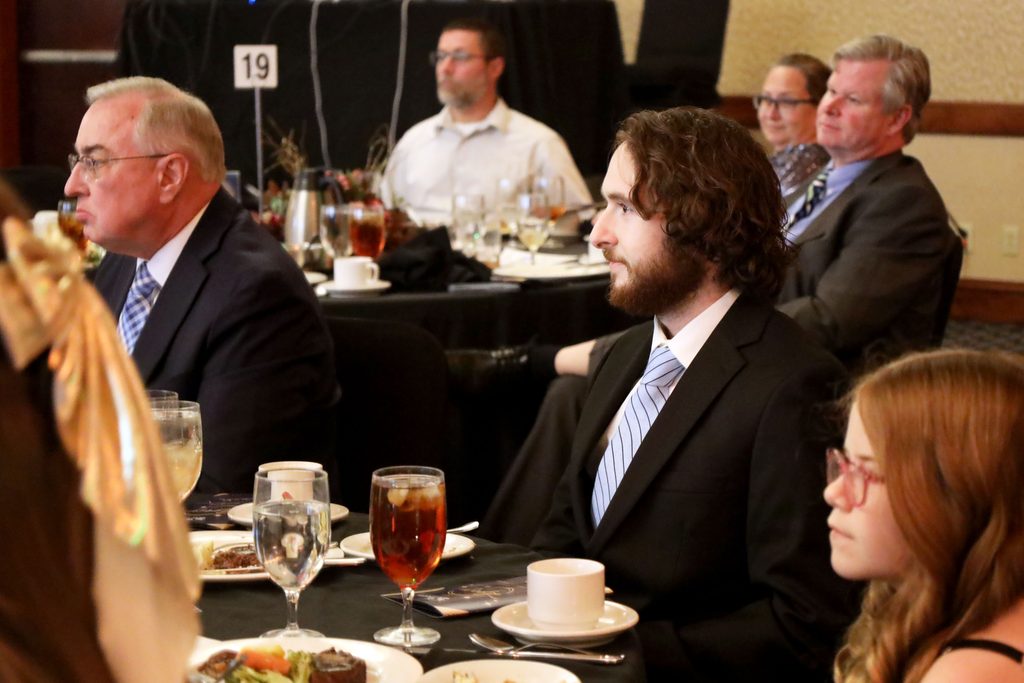
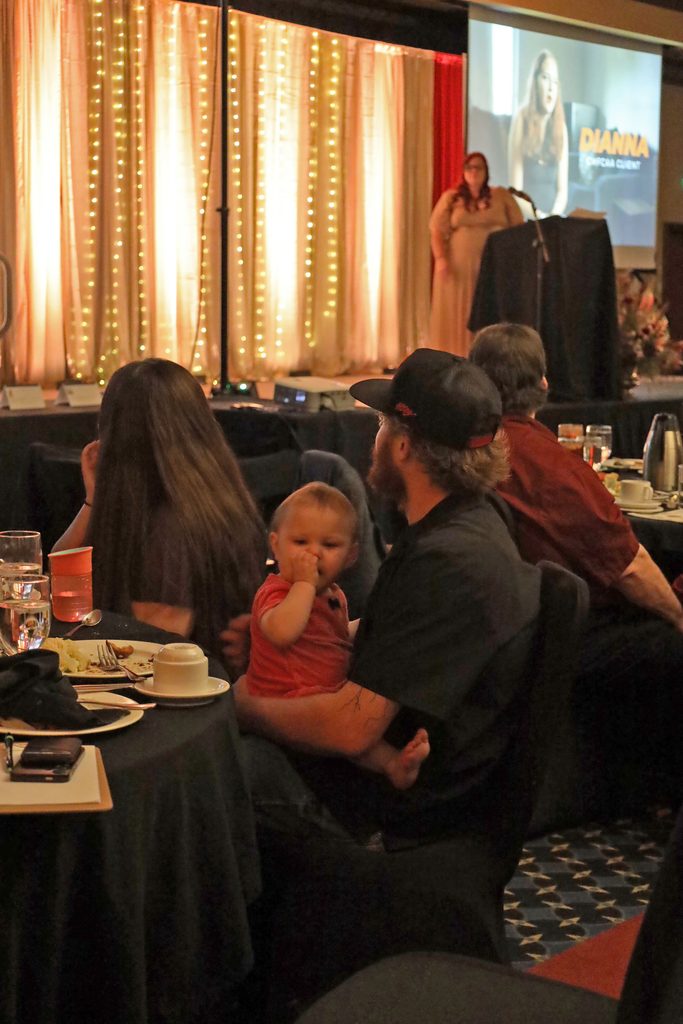
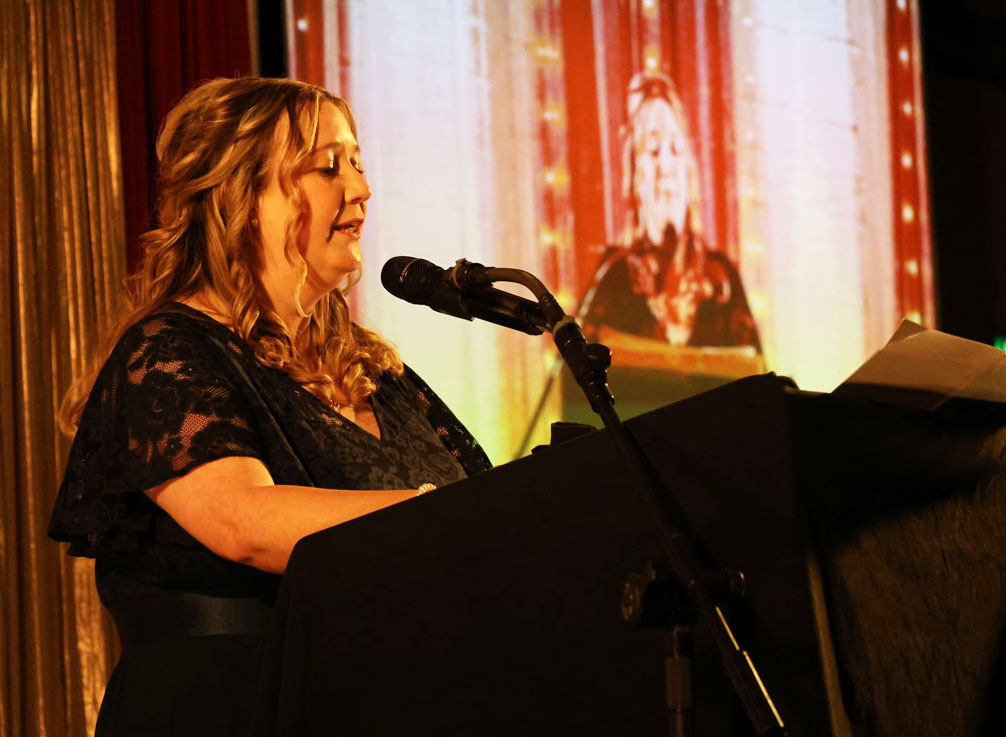
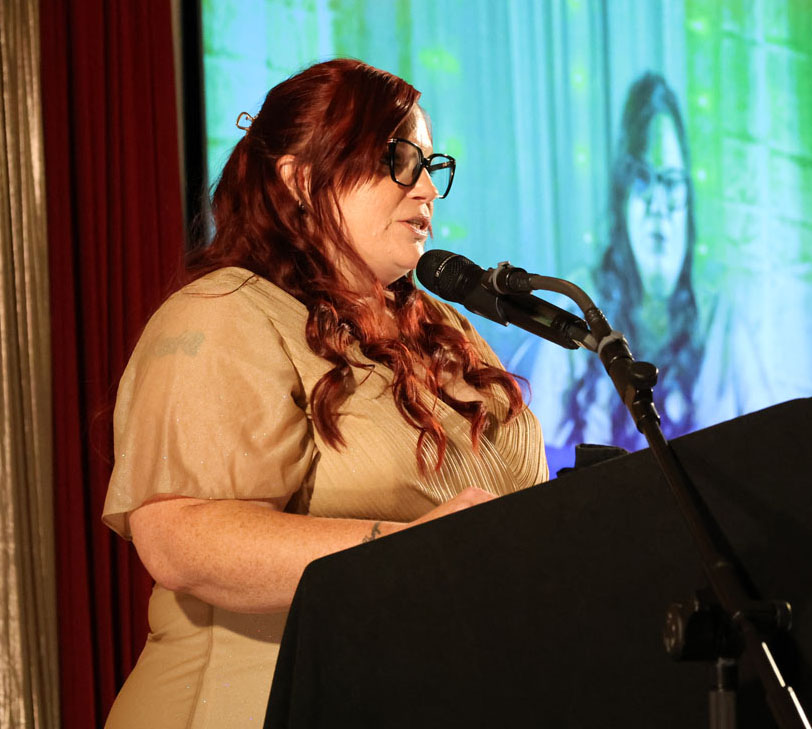
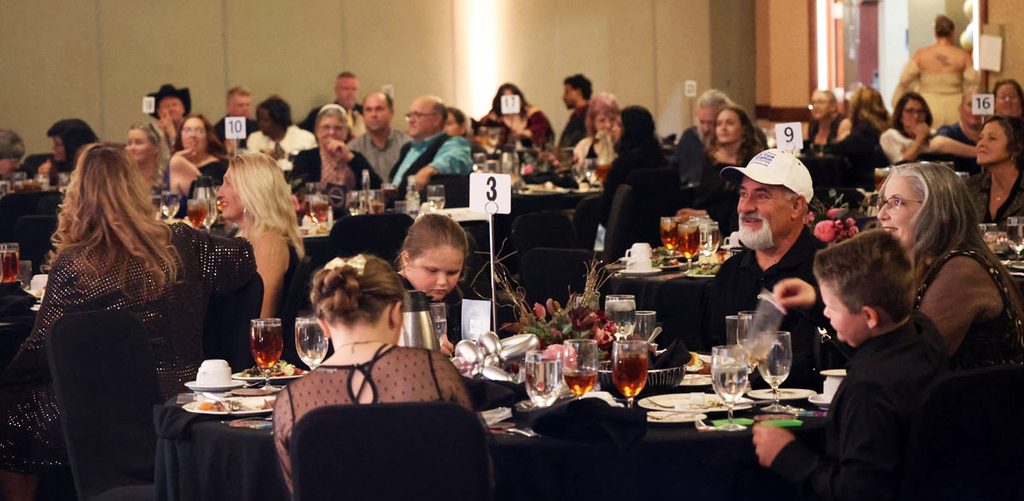
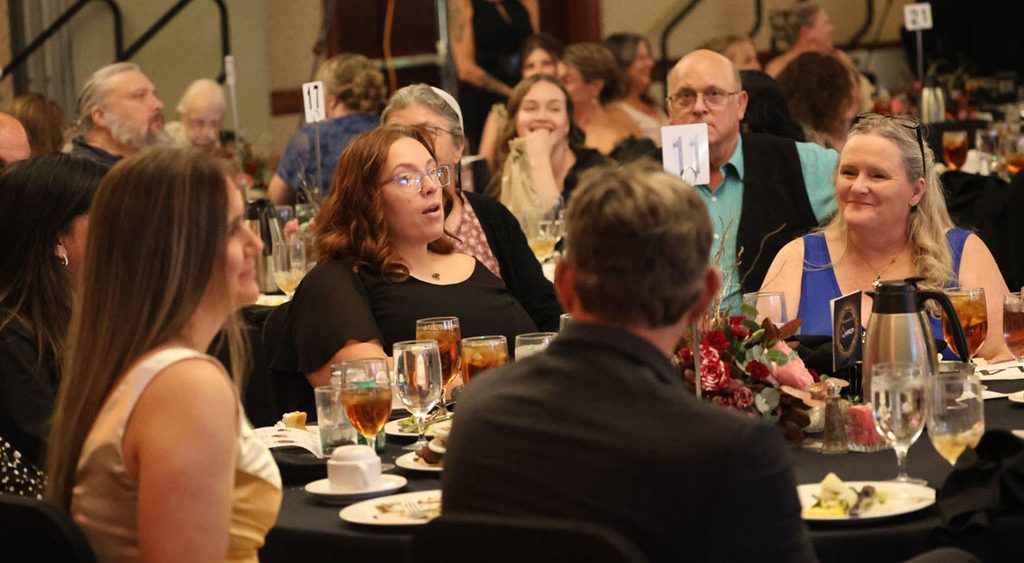
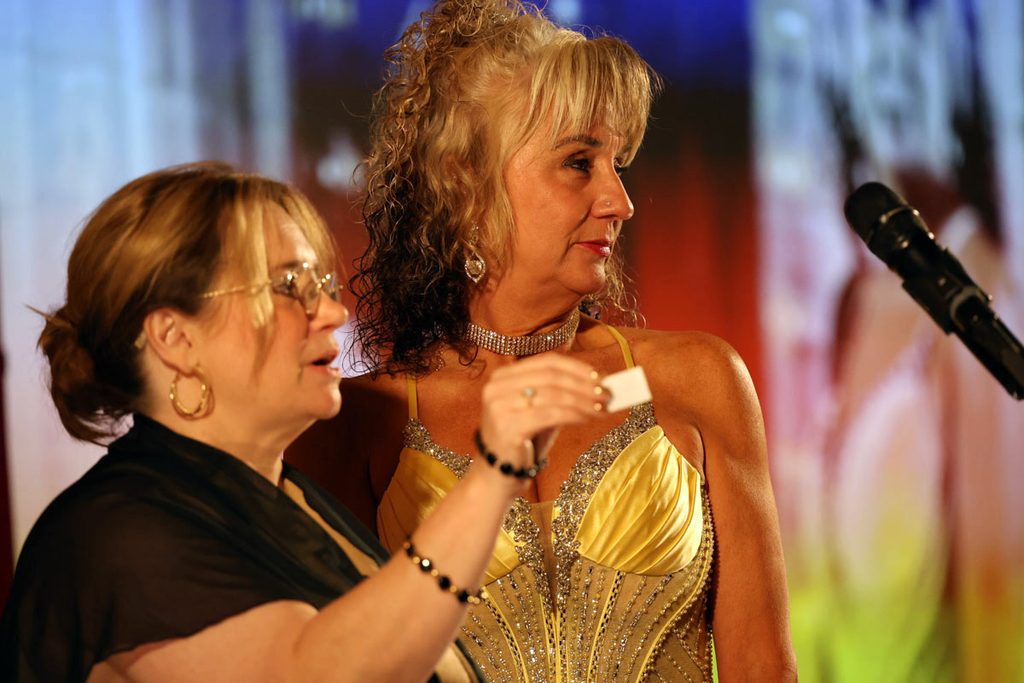
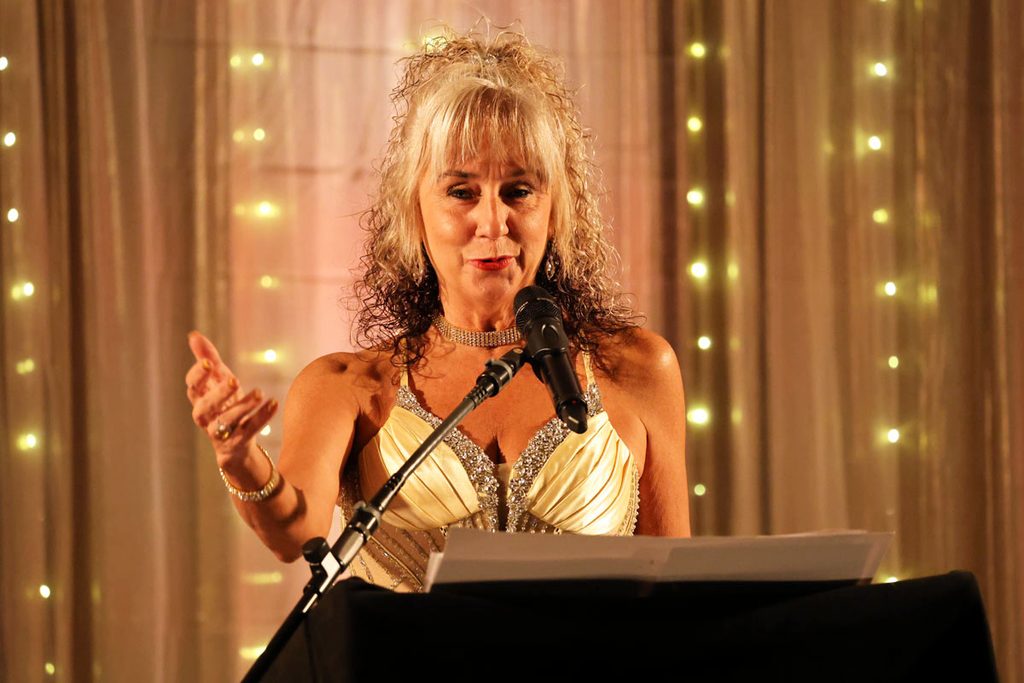
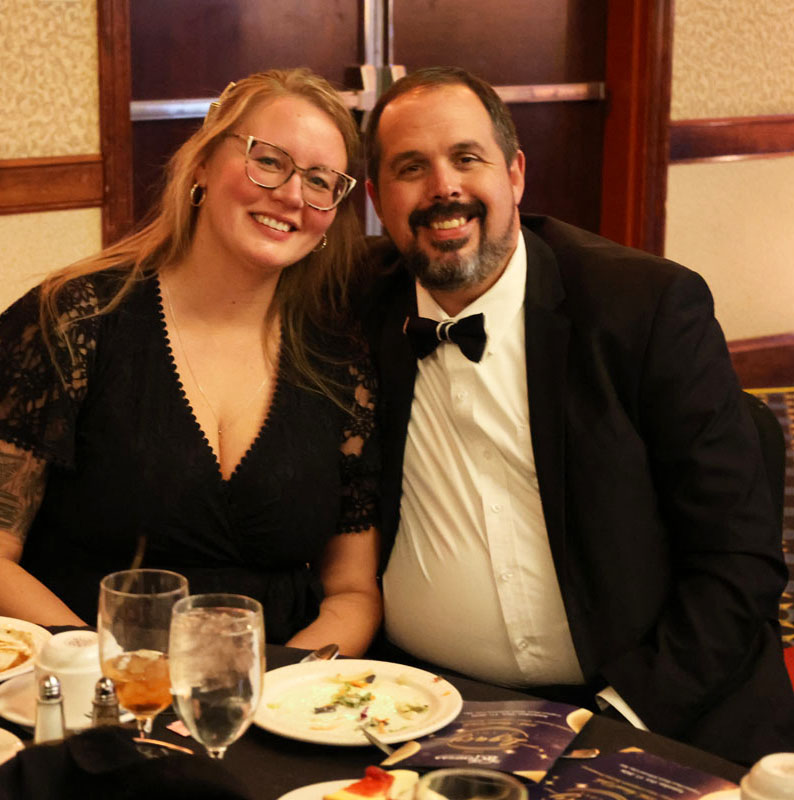
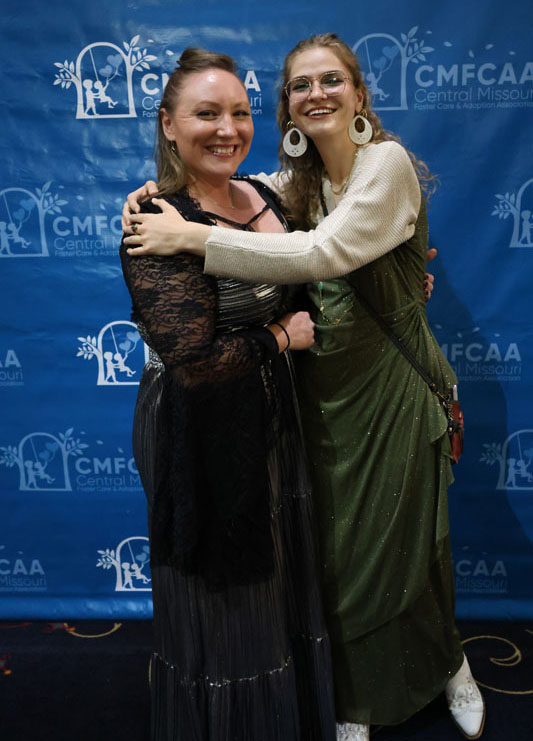
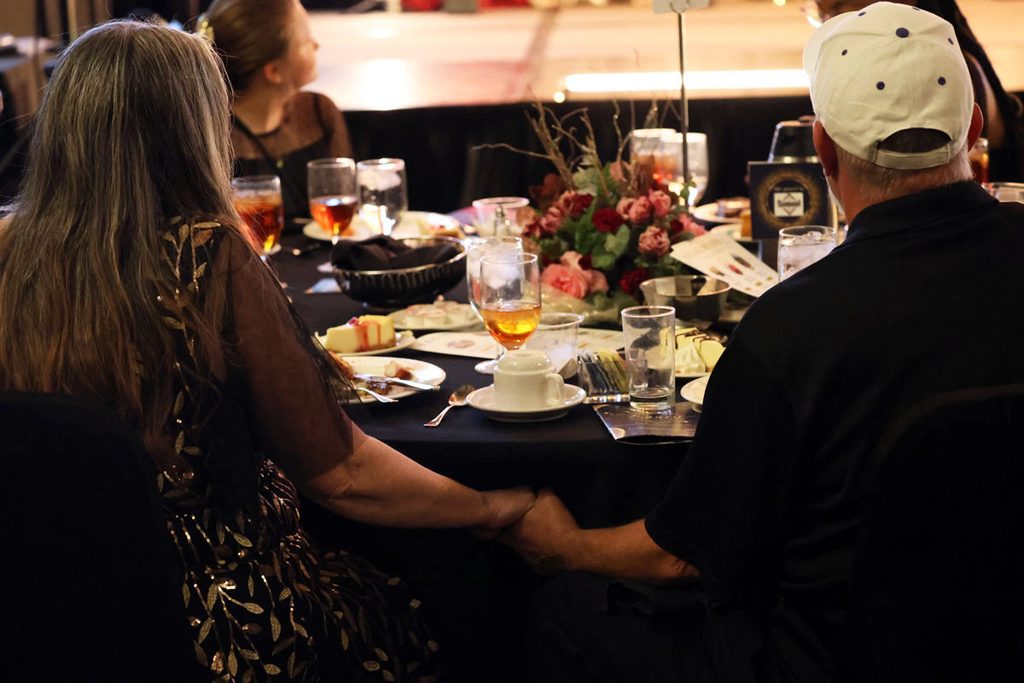
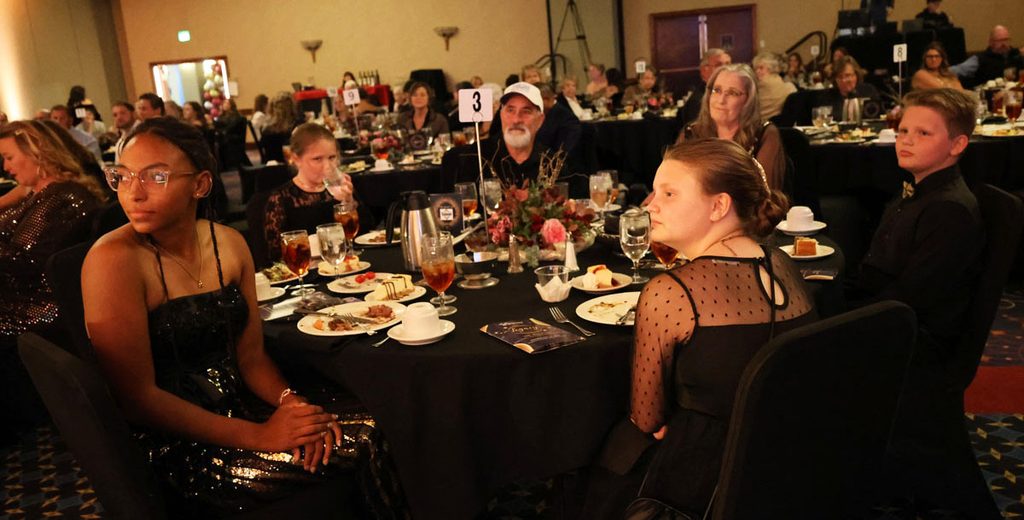
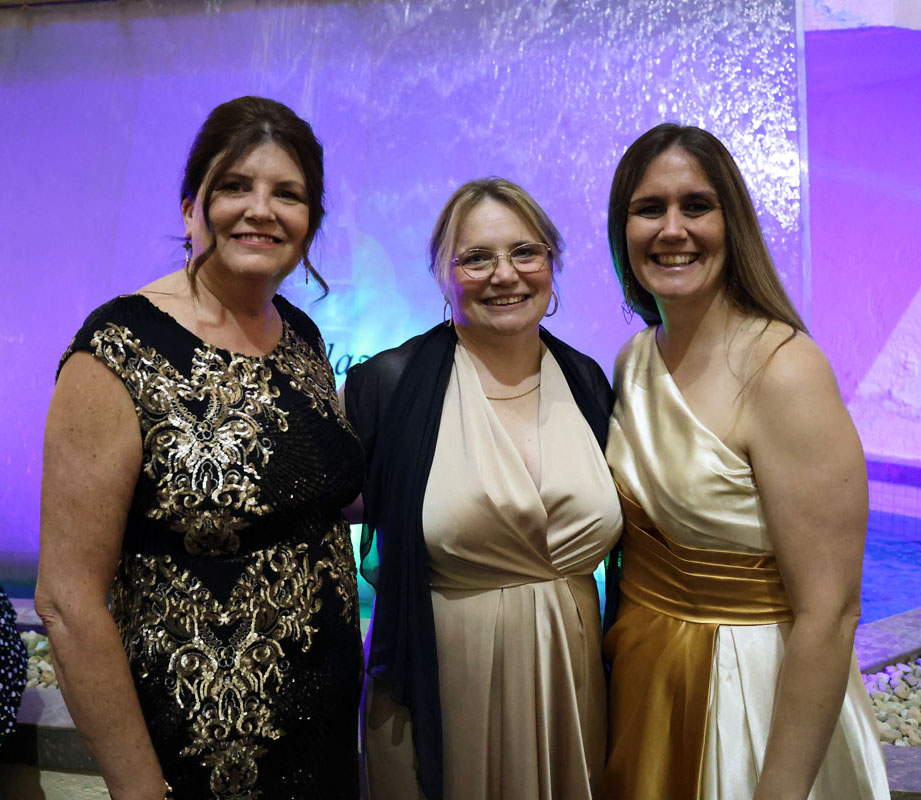
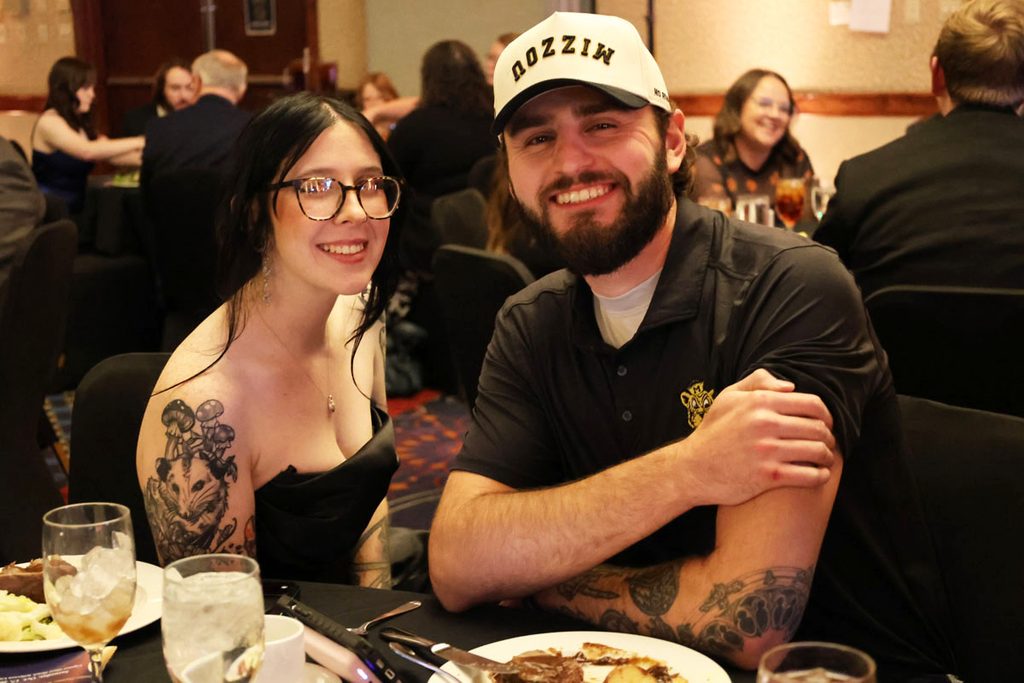
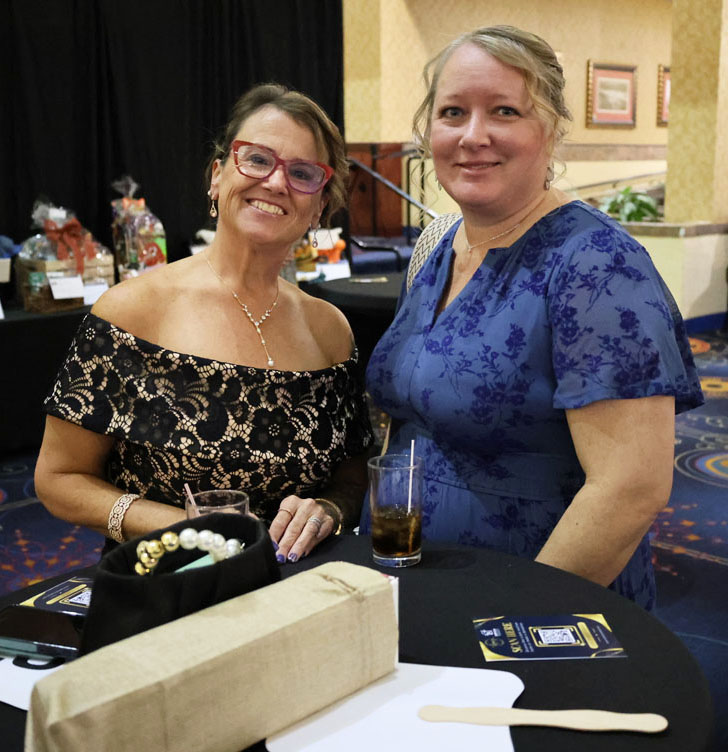
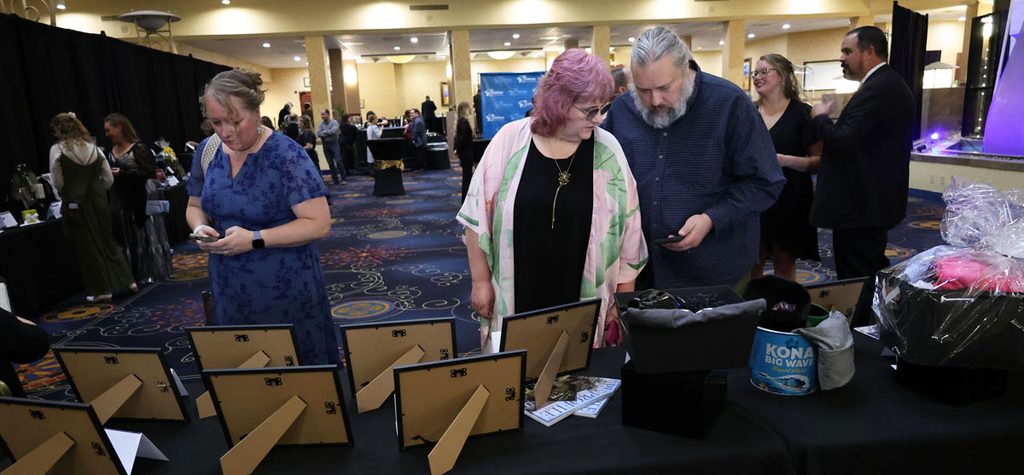
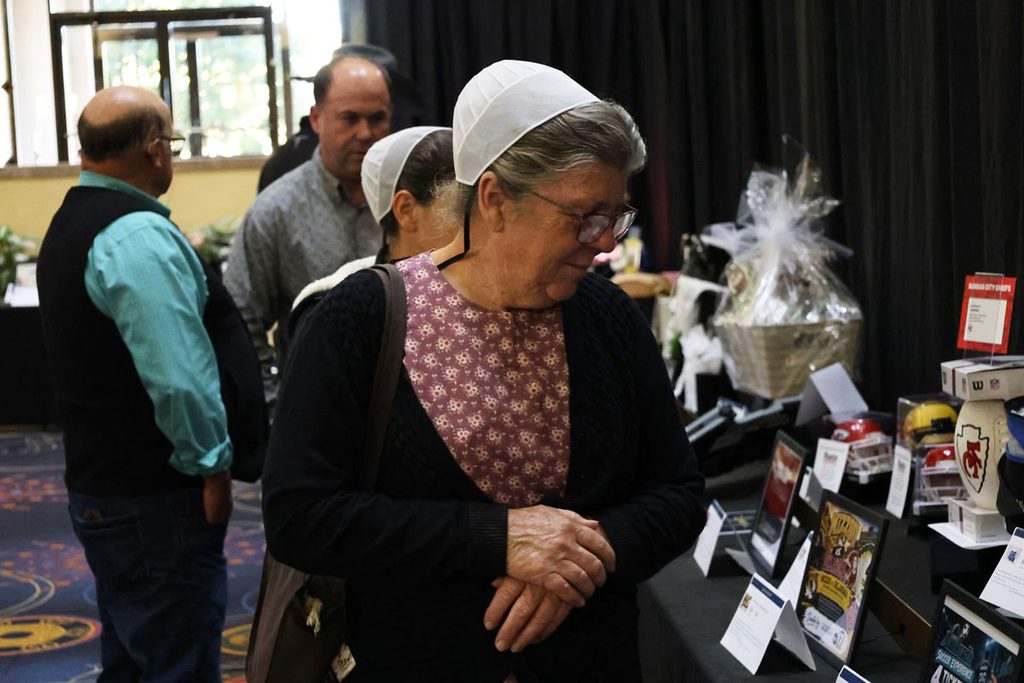
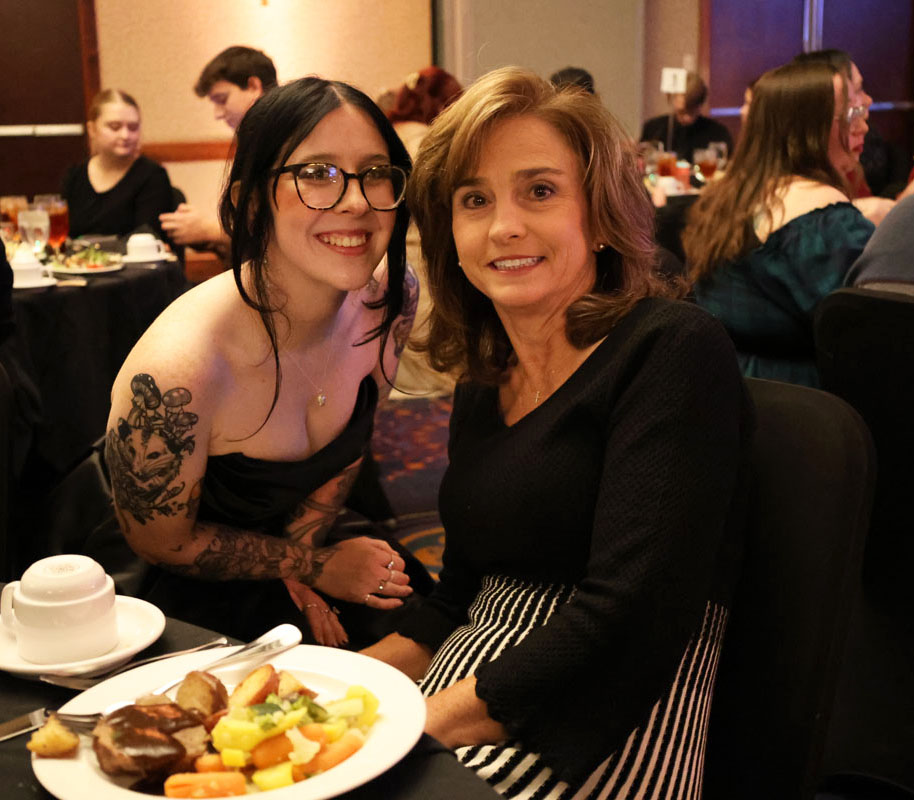
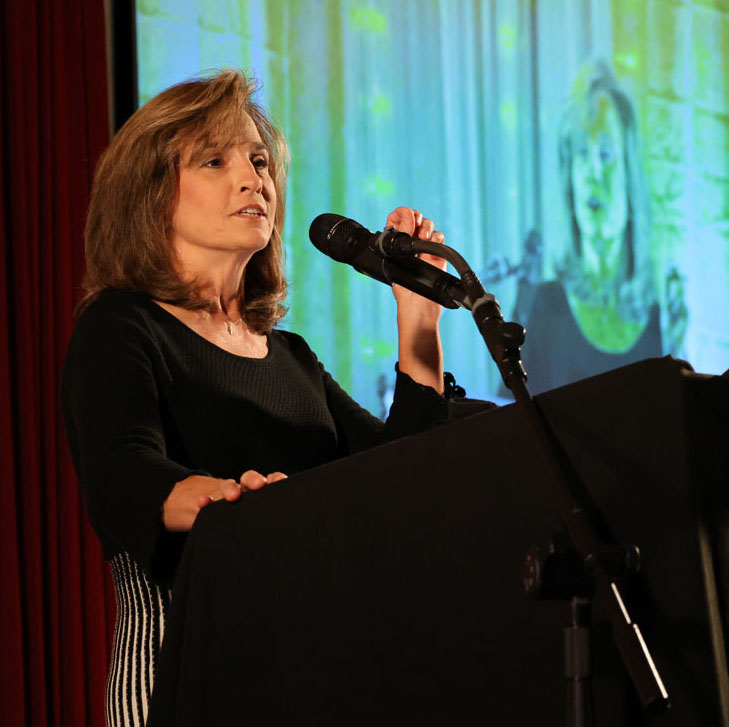
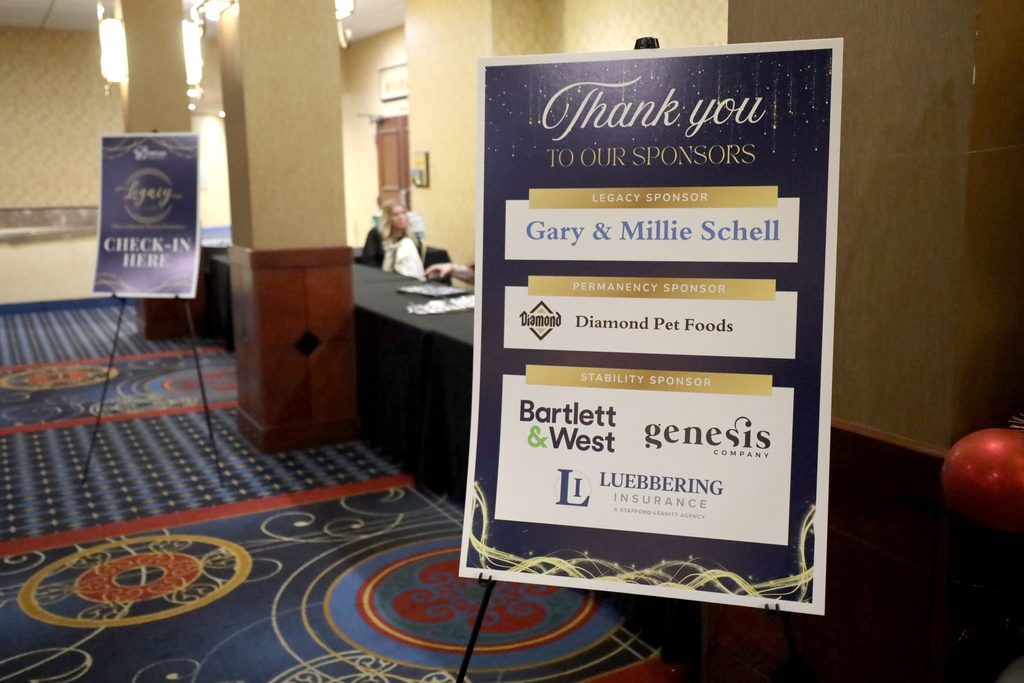
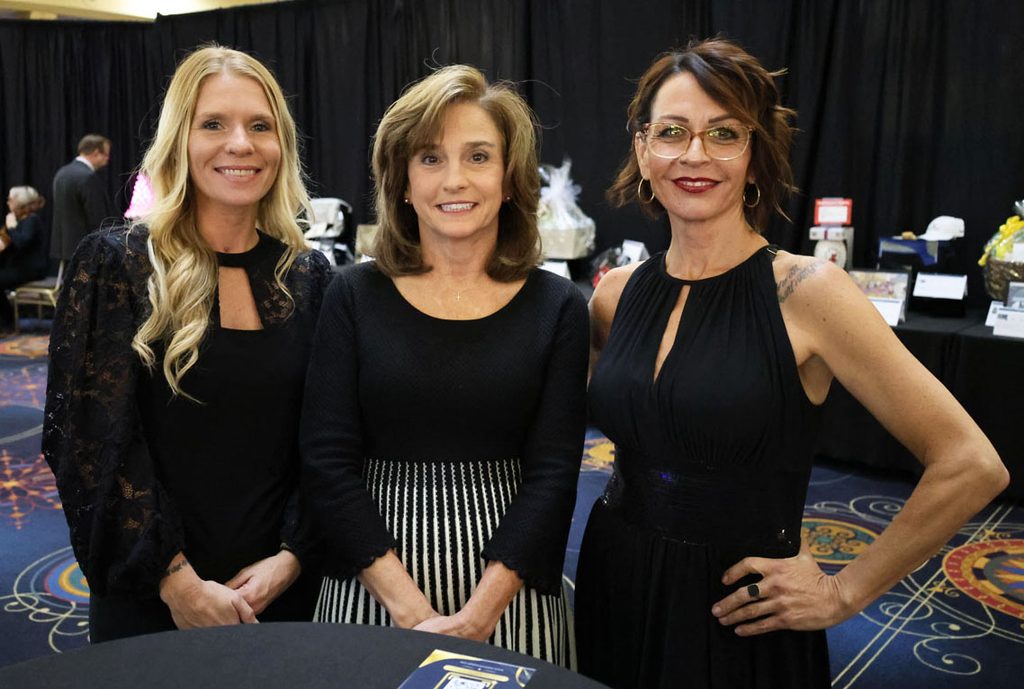
JEFFERSON CITY, Mo. — About 160 guests gathered Oct. 17 for Central Missouri Foster Care & Adoption Association’s 18th annual Legacy of Love Gala, helping raise approximately $110,000 to support children, young people and families across central Missouri.

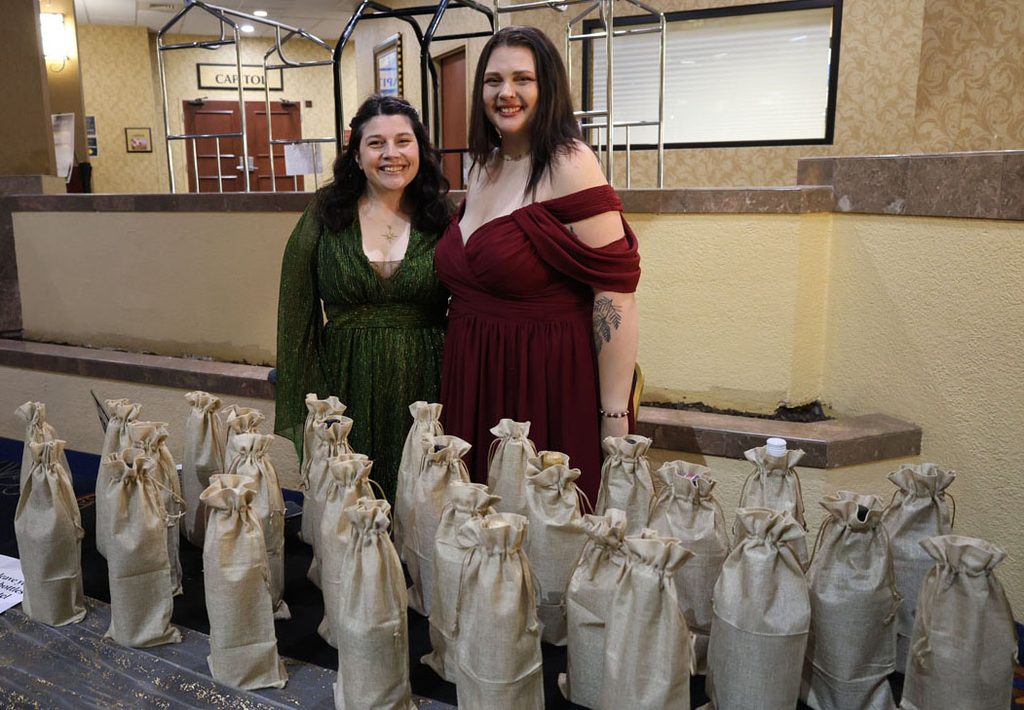
The event, held at Capitol Plaza Hotel in Jefferson City, featured dinner, live and silent auctions, games and stories highlighting CMFCAA’s work with foster, adoptive and kinship families.

This year’s theme, “Golden Promise: Where Compassion Becomes Permanency,” reflected the importance of steady support, strong families and caring communities in helping children experience safety, connection and permanency.

“We are incredibly grateful to everyone who helped make this year’s Gala a success,” CMFCAA CEO Jill Quaid said. “Our guests, sponsors, donors, volunteers and community partners make it possible for us to continue providing practical support to families when they need it most.”

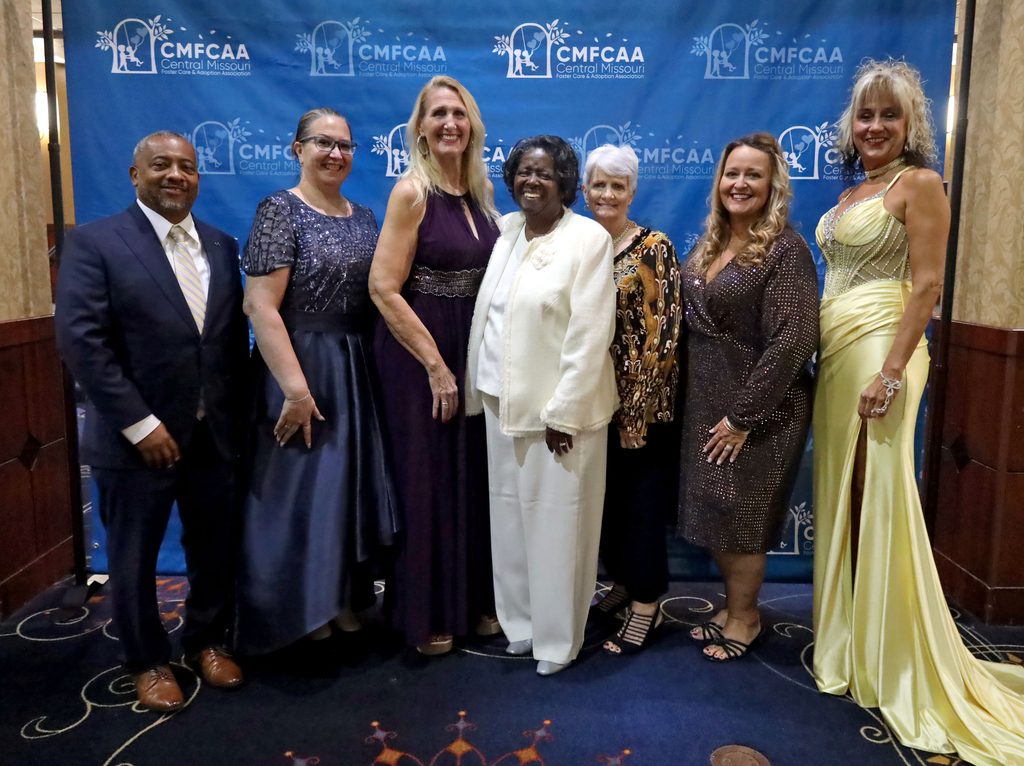
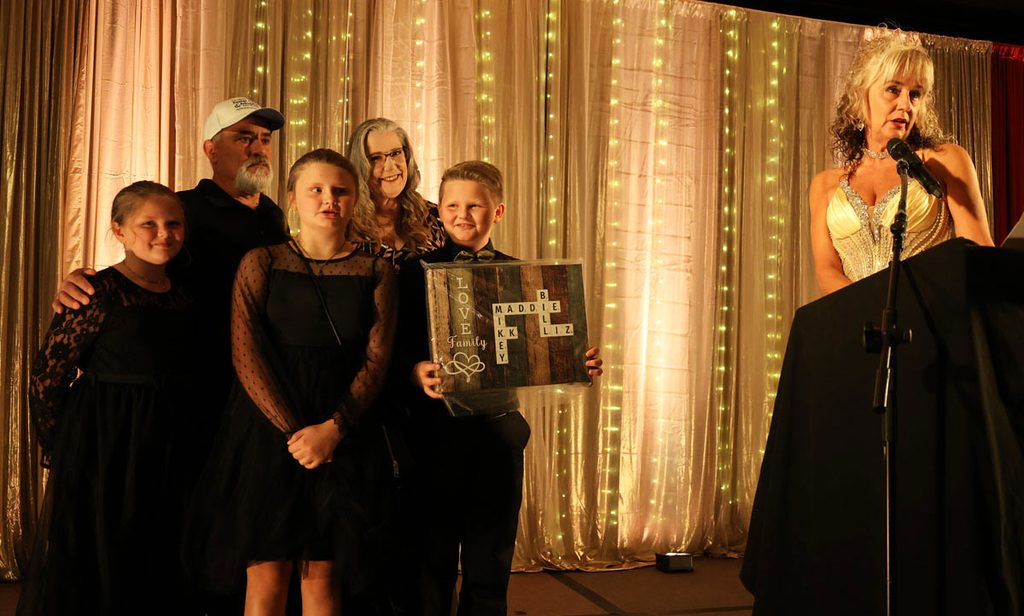
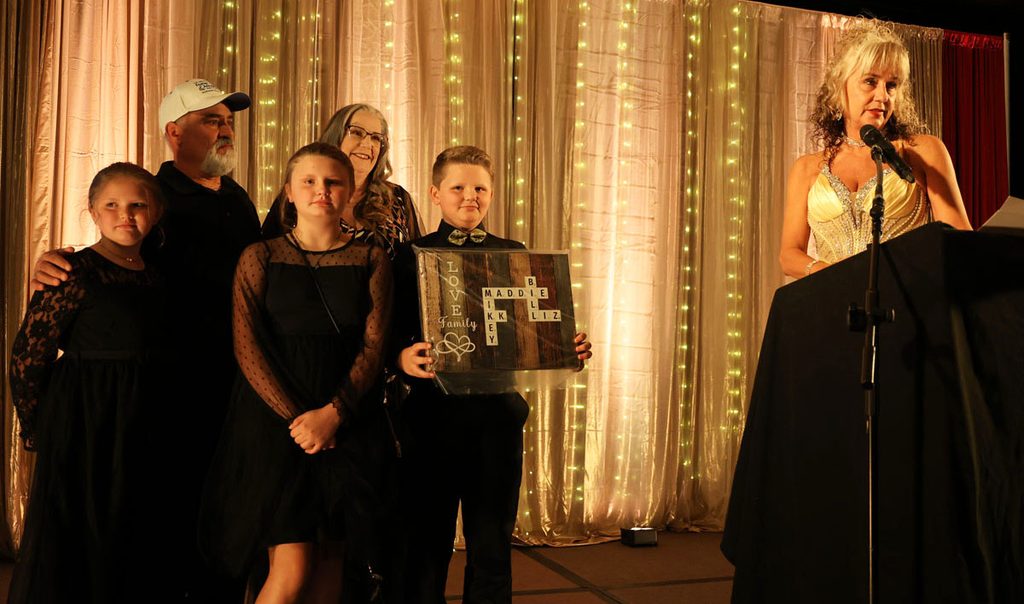
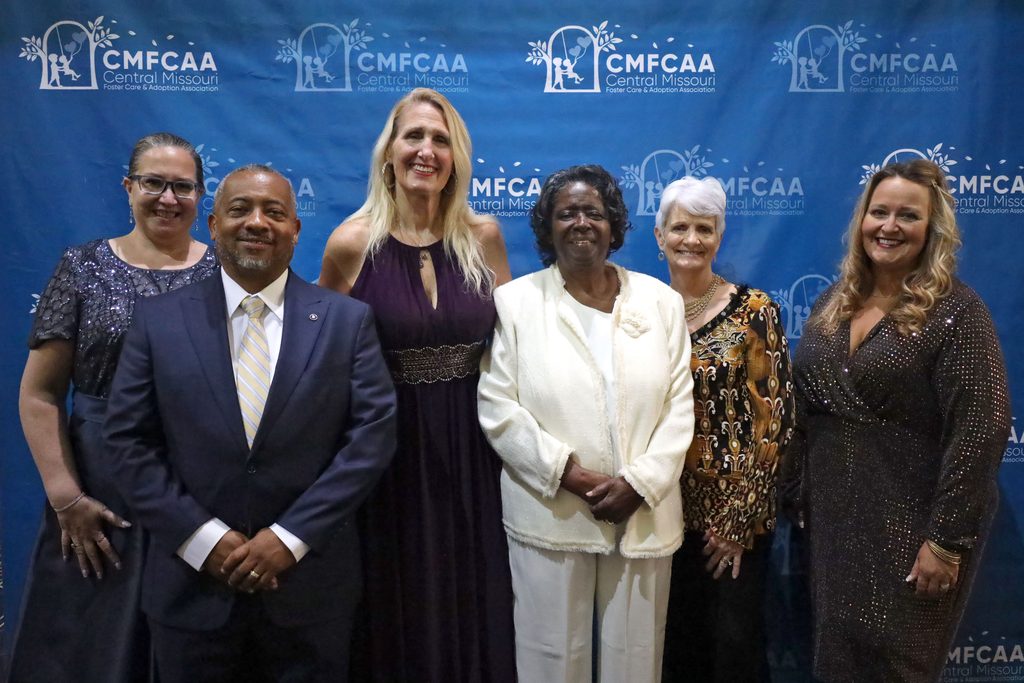
The evening also included recognition of two individuals for their support of CMFCAA and the families it serves.

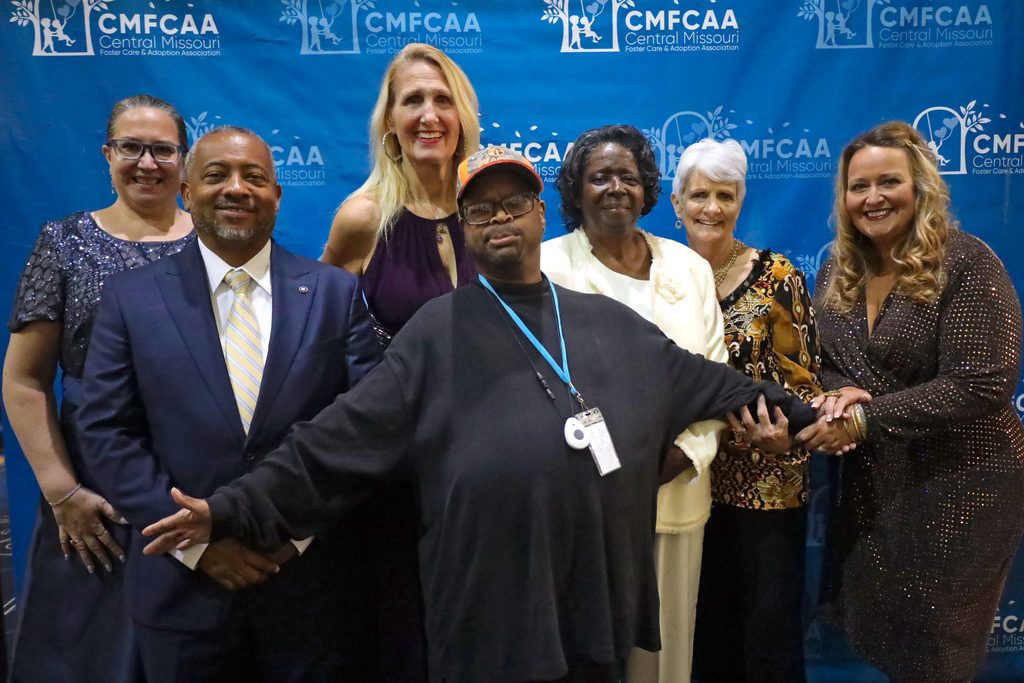
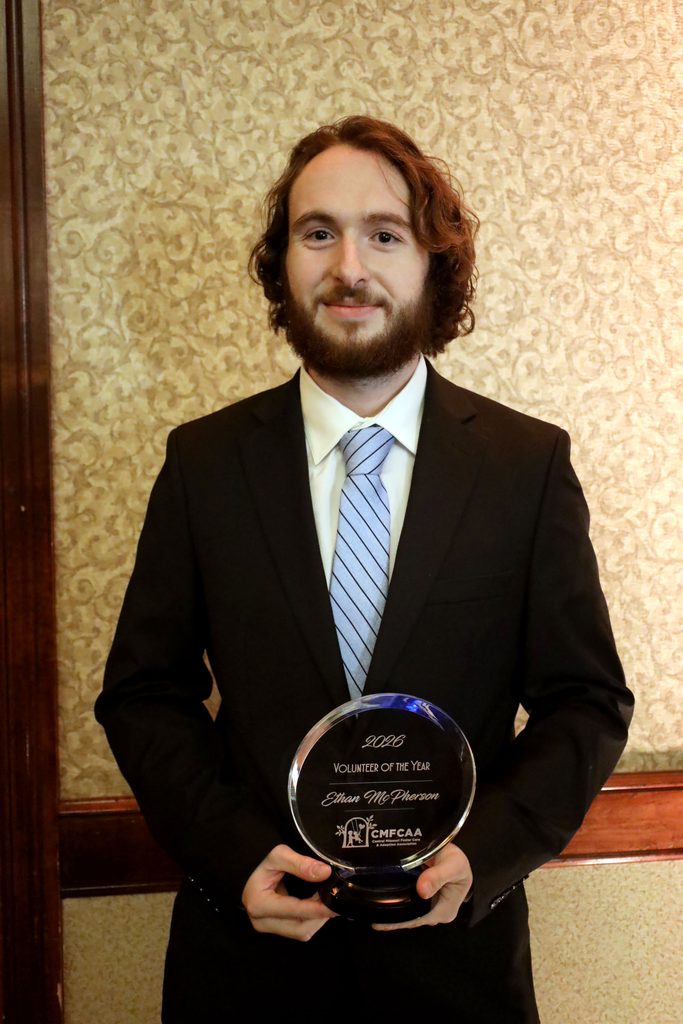
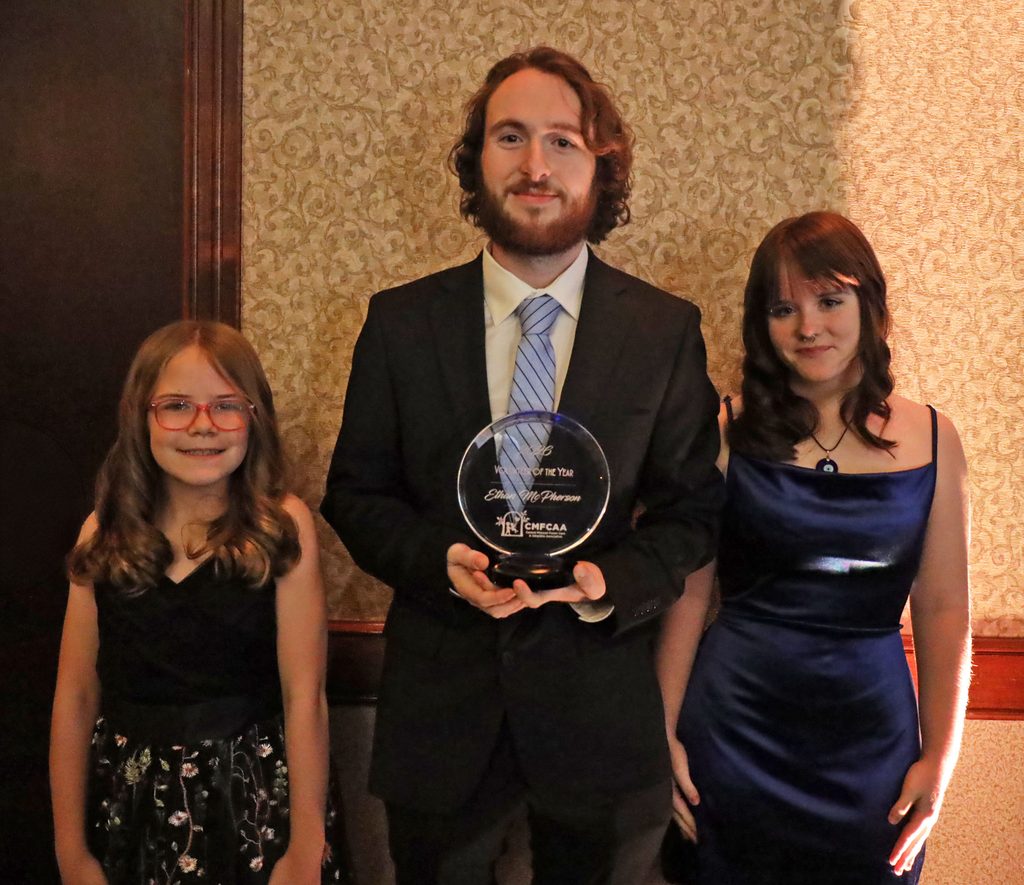
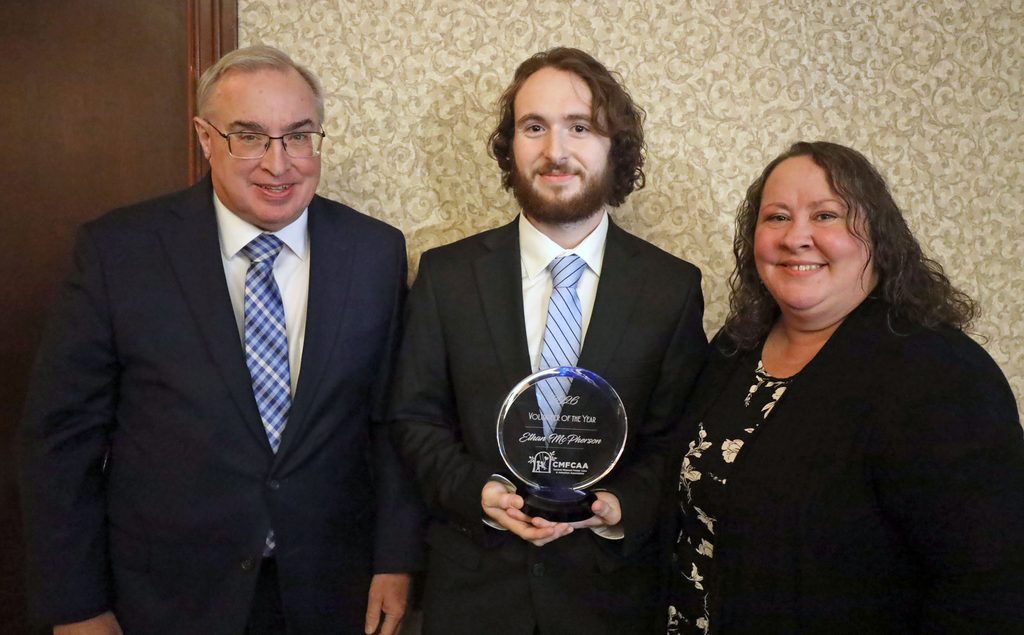
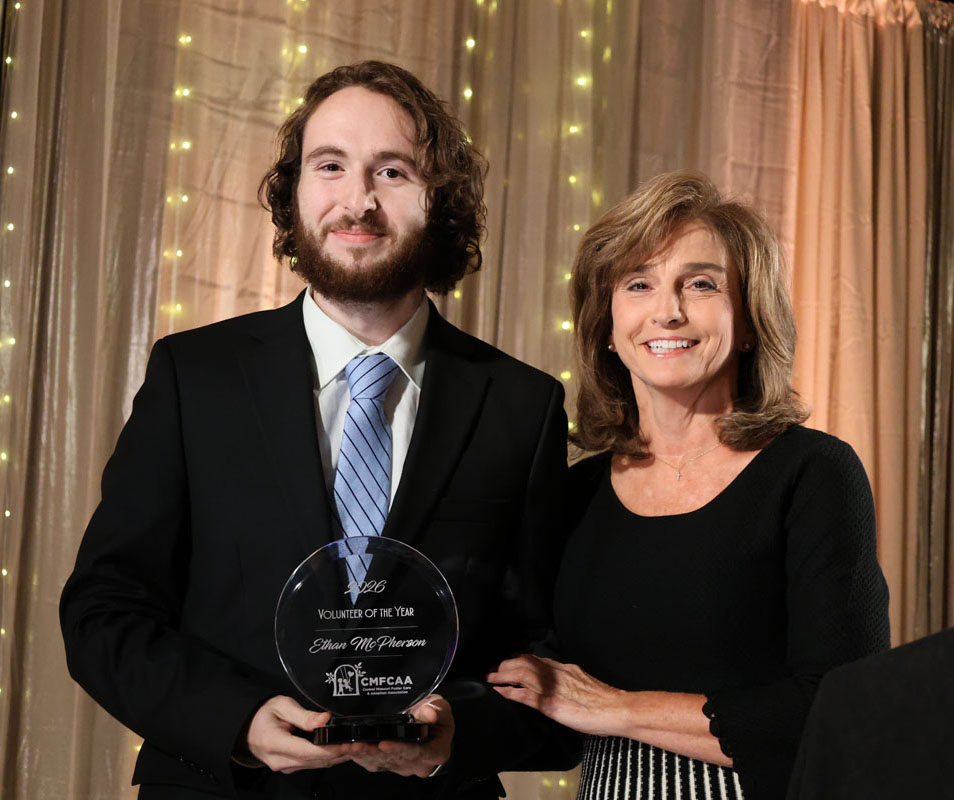
Ethan McPherson was recognized as CMFCAA’s 2026 Volunteer of the Year. McPherson began volunteering with CMFCAA in 2024 and contributed 118 volunteer hours during the past year. He has been especially active at Odyssey respite events, where staff say he quickly gets involved in games and activities with children and provides hands-on support throughout the events.

Missouri Rep. Holly Jones received CMFCAA’s 2026 Legacy Award in recognition of her work on issues affecting children, families and Missouri’s child welfare system. As chair of the Missouri House Children and Families Committee, Jones has provided opportunities for CMFCAA and foster, adoptive and kinship families to share their experiences and the challenges they face. CMFCAA appreciates her willingness to listen to families and bring those perspectives into conversations about how Missouri can better support children in foster care and the families who care for them.

Funds raised through the Gala help support CMFCAA programs and services across its 24-county service area, including resources for foster, adoptive and kinship families, transportation assistance, family development, respite, advocacy and services for young people transitioning from foster care.

CMFCAA thanks everyone who attended, sponsored the event, donated auction items, volunteered, bid in the auctions or otherwise helped make the evening possible.

See the photo gallery below!

Screenshot

Filed Under: Mental Health Corner, Uncategorized

Someone to call. A place to belong.

Someone to call. A place to belong.

Someone to cheer from the sidelines. A refrigerator to raid during a visit home from college. Someone to text when the check engine light comes on.

These are some of the ways Shannon McPherson describes what family can mean as a child grows into adulthood. The big milestones matter, but so do the ordinary moments of knowing someone will be there.

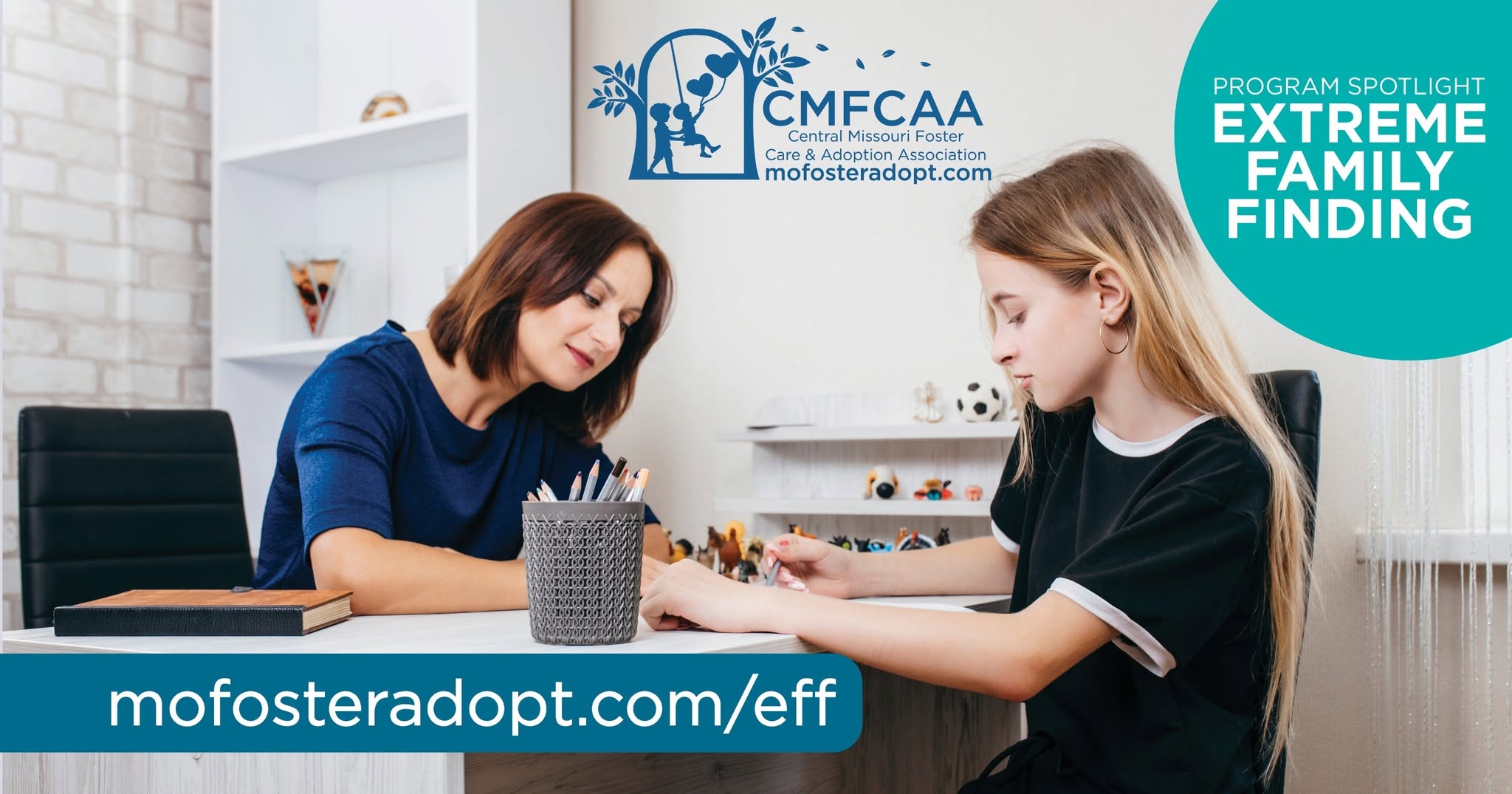
For young people who have spent years in foster care, that future can feel uncertain. At Central Missouri Foster Care & Adoption Association, Extreme Family Finding® works to help children find a permanent family and reconnect with people who can be part of their lives for years to come.

Finding a family for the future

When returning to their parents is no longer possible, children need another path to a permanent home. Extreme Family Finding, or EFF, searches nationwide for living relatives while also identifying other families who may be a good fit for adoption.

“Our biggest fear is to find an adoptive placement and later learn a relative would have been open to adopting their child relative had they been notified,” said McPherson, CMFCAA’s Extreme Family Finding Supervisor.

That is why the team makes a thorough search and tries different ways to reach relatives. At the same time, looking beyond relatives gives children additional possibilities for a permanent family.

EFF brings those options to the child’s Family Support Team, which decides on an adoptive or guardianship family. The children served are often age 10 or older. The program also works with sibling groups and children with physical or mental health needs.

Keeping the child part of the process

The search begins with getting to know the child. What kind of family do they hope to grow up in? Who do they miss? Who has made them feel cared for?

A young person’s answers help guide the work. McPherson said children are always part of the process, including conversations about whether a possible family feels like a good fit.

Those conversations can also lead the team to people a child has lost touch with: a Girl Scout leader who believed in them, a school nurse who offered comfort or an extended family member they remember fondly.

Moving into foster care can mean losing everyday contact with siblings, cousins, friends and familiar routines. Reconnecting with safe, supportive people can help a child keep a connection to their own history and to the relationships that matter to them.

Taking time to build safe relationships

An interested relative or prospective adoptive family does not automatically have contact with a child. The team considers safety, background information and the child’s wishes before communication or visits begin. Relatives seeking contact undergo background checks, and those hoping to host visits receive home safety walkthroughs.

“Sometimes love and safety are not the same thing,” McPherson said.

Once a family is selected, EFF helps both the child and the family prepare. The team manages the transition, locates therapeutic services and supports them as they get to know one another and build trust. EFF stays involved until adoption or guardianship is reached and the child leaves foster care.

McPherson also wants people to understand that children do not have to resolve every struggle before they can belong to a permanent family. Uncertainty and fear can affect how children cope. A consistent, loving home, along with the right support, can help them begin to feel secure.

Support that continues into adulthood

For EFF, success means a child leaves foster care with a permanent family. Along the way, reconnecting with other caring adults can give that young person more people to turn to, whether they need help, encouragement or someone to share good news with.

“Like everyone, they need someone to talk to when they have had a hard day or are celebrating a big win,” McPherson said.

Those needs continue long after childhood. Every young person deserves the chance to grow up knowing they have people who will keep showing up.

Learn more about Extreme Family Finding at mofosteradopt.com/eff

Filed Under: Mental Health Corner

A Royal Celebration of Permanency

A Royal Celebration of Permanency

By Lynn Burnside, CMFCAA Adoption Program Manager

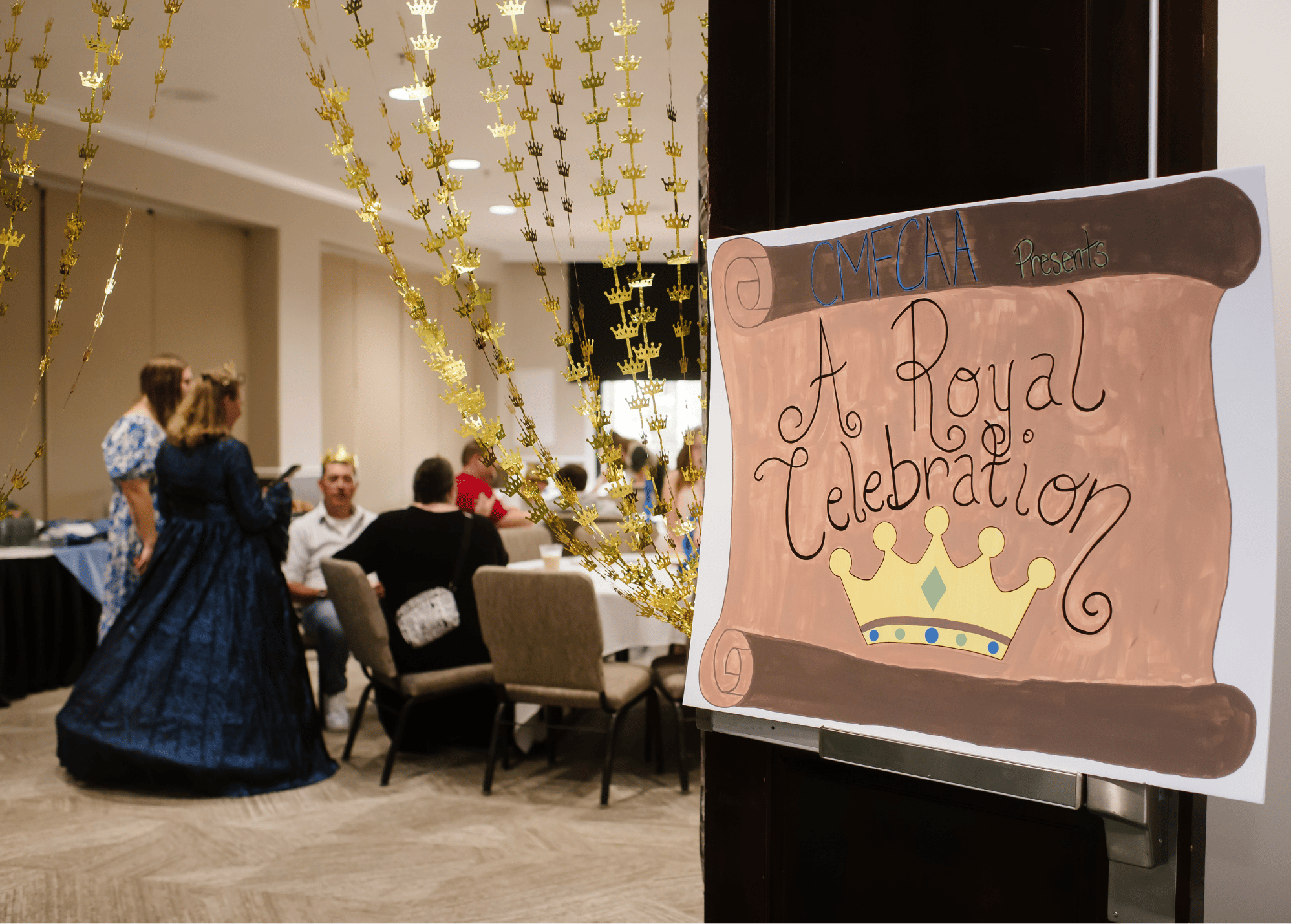
Every child deserves to know that they are important, valued, and worthy of celebration. On September 12, 2026, Central Missouri Foster Care and Adoption Association (CMFCAA) had the privilege of doing just that.

At Camden on the Lake, children and families gathered for a very special Royal Celebration honoring children who had achieved permanency after previously experiencing foster care or kinship care without a permanent family connection. For these children and families, permanency represents more than a change in legal status—it represents belonging, connection, security, and the opportunity to move forward together as a family.

The Royal Celebration was the result of a year of planning and collaboration among four CMFCAA programs: Advocacy, Extreme Family Finding (EFF), Kinship, and 30 Days to Family. Each program brings a unique perspective and set of resources to children and families, but they came together around one shared purpose: to celebrate families and the successes they worked so hard to achieve.

Every Child Was Royal

The theme of the celebration was simple: every child is royalty.

Children were invited to dress as the princes and princesses they are, while CMFCAA staff joined in the celebration by dressing as kings, queens, and princesses. This was more than a fun theme. It was an intentional way to communicate to each child that they mattered and that their story was worth celebrating.

Throughout the morning, children were able to create their own royal treasures. Activities included making shields, decorating treasure boxes, designing crowns, and creating capes. Families also participated in games and activities such as archery and dragon jousting.

But perhaps the most meaningful part of the day was watching families simply enjoy being together.

Parents participated alongside their children, helping with crafts, playing games, and encouraging their children throughout the celebration. Families also interacted with and encouraged other families, creating an atmosphere where parents and children could connect with people who understood parts of their journey.

CMFCAA staff were not simply event organizers. They became part of the celebration. Staff played games with the children, helped with crafts, interacted with parents, and served food. By participating alongside the families, staff helped create an environment where families could feel welcomed, valued, and celebrated.

Creating a Community of Belonging

One of the most powerful outcomes of the Royal Celebration was the response from the children.

Families shared that each child felt as though the party had been held just for them. Children reported having a wonderful time and were already asking when the next celebration would take place.

Those comments capture something incredibly important.

For children who have experienced foster care, kinship care, uncertainty, and changes in family relationships, being intentionally celebrated can carry tremendous meaning. A celebration like this provides an opportunity for children to experience something they may not always have had: a room full of people recognizing their accomplishments and telling them, through words and actions, “Your family matters. Your journey matters. You matter.”

The celebration also demonstrated the importance of building communities for families after permanency is achieved.

Permanency is a tremendous accomplishment, but it does not mean that families no longer need support, encouragement, or connection. Families benefit from having opportunities to meet others who have experienced similar journeys, celebrate milestones together, share encouragement, and build relationships that can continue beyond a single event.

Celebrating Success Together

At CMFCAA, our work is centered around helping children and families navigate difficult circumstances and move toward stronger, more permanent family relationships. The Royal Celebration gave us an opportunity to pause from the day-to-day work and celebrate what families had accomplished.

The event reminded us that success deserves to be celebrated.

Too often, the focus surrounding foster care and child welfare is placed on crisis, challenges, and the things that still need to be accomplished. Those things are important, but families also deserve moments where the focus is on what they have achieved.

They deserve to celebrate the child who found permanency.

They deserve to celebrate the parent who continued to show up.

They deserve to celebrate the family connections that were rebuilt.

They deserve to celebrate the journey from uncertainty to belonging.

And they deserve to celebrate together.

The Royal Celebration was made possible because four CMFCAA programs worked together toward a common goal. Advocacy, Extreme Family Finding, Kinship, and 30 Days to Family each played a role in creating an experience that centered families and their successes.

Looking Toward the Future

The Royal Celebration was more than a single day of crafts, games, costumes, and food. It was an opportunity to build community and remind families that they are not alone after permanency.

The hope is that celebrations like this can become part of a larger culture of encouragement—one where families have opportunities to celebrate their accomplishments, develop relationships with other families, and continue building a network of support.

Because permanency is not the end of a family’s story.

It is the beginning of a new chapter.

And every new chapter deserves to be celebrated.

CMFCAA is honored to have celebrated these royal families and to have witnessed the joy, connection, and pride that filled the room. We look forward to continuing to create opportunities where children and families can come together, encourage one another, and celebrate the successes that make all of the hard work worthwhile.

Every child deserves a family. Every family deserves support. And every success deserves a celebration.

Filed Under: Mental Health Corner, Uncategorized

Spring Cleaning Mind Edition

The weather is finally getting warmer, the sun is shining bright, and the trees and grass are starting to get their color back! Spring is quickly approaching, which means it is declutter season! I don’t know about you, but I need to declutter my workspace and brain – papers and files are everywhere (in both spaces)! However, since the season of SAD (Seasonal Affective Disorder) is ending with longer days and more daylight, it is essential to reset your mind! Let’s wash our brain windows and let that sunlight in!

What does a cluttered mind consist of?

You may wonder, “How can I even tell if my mind is cluttered? I am plenty productive and have no issues remembering anything!” First of all, tell me your secrets because I can count on one finger the number of times (s) my mind has not felt cluttered! Anyways, your mind may be untidy if you can relate to any of these:

· Concentrating on negative thoughts

· Worrying about things out of your control

· Forgetting to complete things on your mental to-do list

· Overthinking

· Over-analyzing situations

· Anything that causes excessive or overwhelming thoughts, worries, or concerns fills your mind, making it difficult to focus, make decisions, or feel at peace.

How does a cluttered mind affect day-to-day activities?

Forbes.com puts it best: “Constantly allowing your mind to be cluttered causes mental disarray, distraction and disorder that hinders your ability to set priorities, make choices, maintain focus and be productive. You lose touch with yourself, your surroundings, your relationships, and the current moment when your mind is busy because you are not present.”

Sounds exhausting. That’s because it is! This can also result in feeling burnt out if you’re not feeling that already. So, what can we do? Say it with me – declutter our minds!

Ways to declutter!

Decluttering your mind will pull you out of the negative thought patterns and reach your maximum potential! Here are some ways to do that:

1. Get better sleep! That is easier said than done for me (and many of us). I have heard it is easier to fall asleep when you put your phone down and reduce screen time by about 30 minutes to an hour before bed. Also, following a bedtime routine relaxes your body to get good quality sleep!

2. Move! I mean, move your body, not move homes! Take a walk, however short or long you feel like! Go to the gym! Utilize your home gym! Release those endorphins!

3. Write it down! Make a to-do list, journal your feelings and thoughts, or draw if you feel artsy!

4. Declutter your surroundings! My brain often feels more cluttered when everything around me is cluttered, which is a problem because I have difficulty keeping my physical spaces clean and organized. I have found that there are ways that I organize that are different from “normalized” ways to organize, so you do you, boo!

5. Do less! I have an issue: I need to complete everything on my to-do list on the same day, so I wait until I have the motivation to complete everything all at once. The problem? That motivation NEVER comes because the tasks continue to build and build! Yikes! It also causes my mind to become overwhelmed and overloaded, so not even the most important things get done. I am slowly learning to pick a few things to do each day, making me feel calmer knowing that I have less to do the next day. Give it a shot!

Hopefully this will also help you to create healthy, sustainable habits while also reducing stress and anxiety. Take one day at a time, one little bit at a time! Here’s to a fresh start to a new season of feeling refreshed and positive!

Filed Under: Mental Health Corner Tagged With: Mental Health

  • 1
  • 2
  • 3
  • Next Page »

Call:
573-298-0258


Locations:
Jefferson City
Columbia
Osage Beach
Rolla

  • About
    • About CMFCAA
    • Meet Our Teams
    • Join our Mailing List
    • eMagazine
    • FY 2025 annual report
    • Blog
    • Privacy Policy & Terms of Use
  • Programs
    • Family Development Training
    • IDENTOGO Fingerprinting
    • 30 Days to Family®
    • Extreme Family Finding™
    • A Family For Me
    • Family Advocacy
    • Kinship Navigators
    • Community Connections Youth Project (CCYP) ®
    • Preservation & Prevention
    • Direct Services
    • Trunk Clothing Closet
    • Odyssey respite events
    • Respite Exchange
    • Transportation
  • Partnership Resources
    • Special Request
    • Camp Opportunities
    • Point View Resort
    • Helpful Links
  • Get Involved
    • Become a Foster Parent
    • Become a Respite Provider
    • Become a Volunteer
    • Intern with us
    • Become a Board Member
    • Give to CMFCAA
  • Event RSVP
    • Calendar
    • Legacy of Love Gala 2026
    • Care Packs
    • Odyssey Events
  • CAREERS
  • Contact

Copyright © 2026 The Central Missouri Foster Care & Adoption Association (CMFCAA) All Rights Reserved